
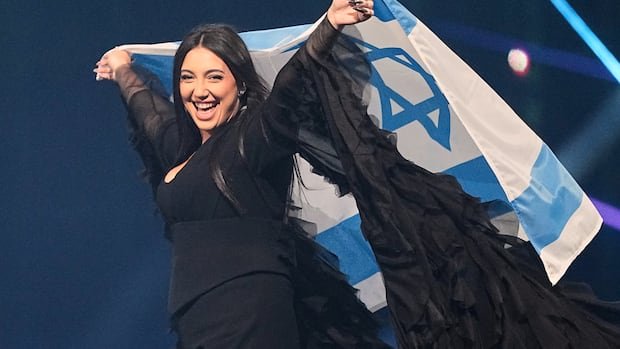

Public broadcasters from at least four nations, including Spain and the Netherlands, have decided to withdraw from the upcoming Eurovision Song Contest in response to Israel’s participation. This move highlights how political tensions have taken precedence over the typically harmonious celebration of music. Ireland and Slovenia have also joined the boycott following discussions within the European Broadcasting Union (EBU), which represents broadcasters from 56 countries and oversees the event.
While the EBU members voted to implement stricter voting regulations amid allegations of vote manipulation by Israel, no action was taken to exclude any participant. The annual pop music extravaganza, which garners over 100 million viewers worldwide, has been marred by the conflict in Gaza for the past two editions.
In a statement to The Associated Press, the EBU confirmed that public broadcasters RTVE (Spain), Avrotros (Netherlands), RTE (Ireland), and RTVSLO (Slovenia) have declared their withdrawal from the competition. The final list of participating countries will be revealed closer to Christmas.
Israeli President Isaac Herzog expressed satisfaction with Israel’s inclusion in the contest and emphasized the importance of promoting cultural exchange and friendship through music. While Austria and Germany have voiced support for Israel’s participation, Avrotros and RTVE have cited moral concerns in their decision to boycott.
Critics of Israel’s involvement point to the Gaza conflict, which has resulted in a significant loss of life, with over 70,000 casualties reported by local health authorities. The government of Israel has defended its actions as a response to aggression from Hamas-led militants, who initiated the conflict in October 2023.
The Eurovision Song Contest, slated for Vienna in May next year, has faced challenges in maintaining its apolitical stance. Recent editions saw protests against Israel outside the venue, reflecting the ongoing political divisions surrounding the event. The participation of Israel in the 2026 contest continues to stir controversy, potentially overshadowing the return of Bulgaria, Moldova, and Romania after absences due to financial constraints and artistic considerations.