
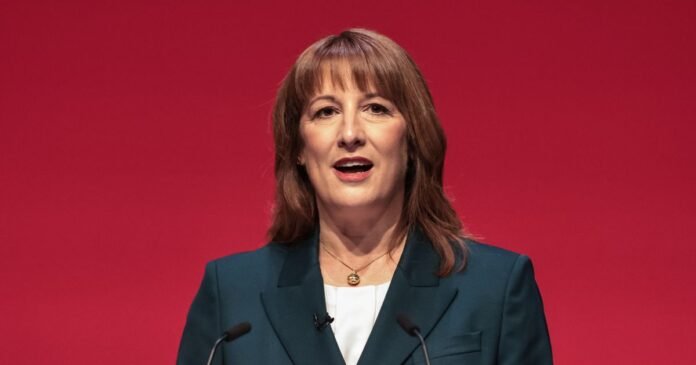

Rachel Reeves is preparing to introduce a £2 billion tax initiative aimed at affluent individuals to generate additional revenue for government expenditures. This move is anticipated to address a £30 billion budget shortfall left by the previous administration.
The proposal targets individuals utilizing limited liability partnerships, a common practice among professionals like lawyers, doctors, and accountants, who benefit from tax advantages due to their self-employed status. Reeves argues that this arrangement is inequitable and plans to unveil the change in the upcoming Budget announcement.
Additionally, a “mansion tax” is expected to be introduced, imposing capital gains tax on high-end property sales. Reeves highlighted that Brexit and austerity have had a more significant impact on public finances than initially predicted, prompting the need for such revenue-generating measures.
Economists predict a downgrade in Britain’s growth forecasts by the Office for Budget Responsibility (OBR) next month, raising concerns about potential tax increases to stabilize the economy. Reeves emphasized the importance of rebuilding relationships with the EU to mitigate economic challenges post-Brexit.
While some experts support the tax adjustments, others caution that such measures could discourage work and potentially lead individuals to leave the country or avoid entering the workforce altogether. This move raises broader questions about the taxation disparities between the self-employed and employees, prompting a critical examination of existing tax structures.