
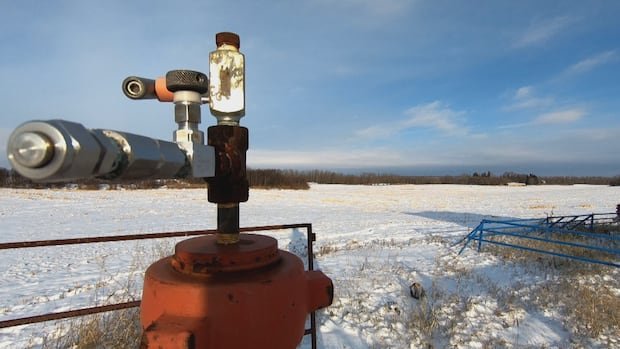

Alberta’s premier has proposed the implementation of a deposit requirement for oil and gas companies prior to drilling new wells, a practice not enforced for many years and often met with industry opposition. The provincial government is exploring solutions to address the significant number of aging oil and gas wells in need of cleanup.
To mitigate the escalating issue, Danielle Smith suggested that companies set aside funds upfront, proposing a deposit of $10,000 per well during a recent industry event in Calgary. This deposit would accrue interest over time, ensuring financial resources are available for reclamation once the well reaches the end of its productive life.
While this idea has received support from experts like Shaun Fluker, a law professor at the University of Calgary, skepticism remains about its practical implementation. Fluker, who co-authored a research paper on orphan and inactive wells, highlighted historical industry resistance to similar initiatives that could have prevented the current cleanup challenges in Alberta.
The proposal faces pushback from some oil and gas industry groups, citing concerns about the financial burden on smaller companies and potential bankruptcy risks. Meanwhile, landowners and advocates like Dwight Popowich argue that the proposed $10,000 deposit is insufficient to address the extensive cleanup needs, advocating for higher industry contributions to expedite orphan well reclamation.
The Orphan Well Association (OWA), responsible for abandoned well cleanup, has seen a surge in orphaned wells, prompting discussions about increasing industry levies to fund reclamation efforts. The Alberta Energy Regulator (AER) has already raised the annual levy to $135 million, with expectations of further increases to address the growing orphan well problem.
Regulatory changes and recommendations, including the potential establishment of closure funding mechanisms and deposit requirements for new wells, are being considered to address the orphan well crisis. A recent report commissioned by the government, which involved consultations with various stakeholders, emphasized the importance of proactive measures to manage end-of-life liabilities in the oil and gas sector.