
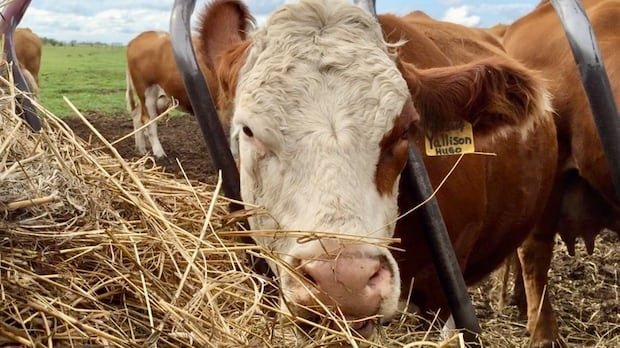

Beef prices are anticipated to rise further in 2026, albeit not as steeply as seen in recent years, offering a glimmer of positivity for meat enthusiasts. According to Mike von Massow, a food economist at the University of Guelph, the prices are expected to maintain their upward trajectory due to the imbalance between supply and demand.
The surge in beef prices, which escalated by 16% in the past year and 35% in October compared to the five-year average, can be attributed to various factors such as limited cattle supply, high demand, international trade dynamics, and volatile weather conditions impacting ranching operations. The soaring cost of beef has driven overall meat prices up significantly, making it the fastest-growing food category in 2025.
Despite the high prices, the enduring appeal of beef in Canadian culinary culture continues to drive demand. Consumers exhibit a preference for beef as a primary protein source, leading to sustained market interest despite the elevated price points. Notably, some shoppers are opting for more cost-effective beef cuts as a strategy to manage expenses without compromising on their meat consumption habits.
The scarcity of cattle in Canada, exacerbated by severe drought conditions in Western regions, has further constrained the supply chain. The dwindling cattle population, coupled with escalating expenses for essentials like feed, labor, and energy, has pushed cattle prices to historic highs. Ranchers are confronted with tough decisions on herd management, balancing short-term profits against long-term sustainability goals.
The external landscape, including trade policies, disease threats, and global market dynamics, also influences beef prices in Canada. Factors like import tariffs, plant closures, and disease outbreaks in the US can impact Canadian beef demand and supply. Additionally, the export-import dynamics with countries like Mexico and Australia contribute to the price fluctuations in the domestic market.
Looking ahead, industry experts predict that beef prices will likely remain elevated until at least 2027, reflecting the time-intensive nature of herd rebuilding and the persistent consumer demand for beef products. While gradual improvements in supply may offer some relief in the future, the overall pricing outlook remains stable with a modest decrease anticipated.