
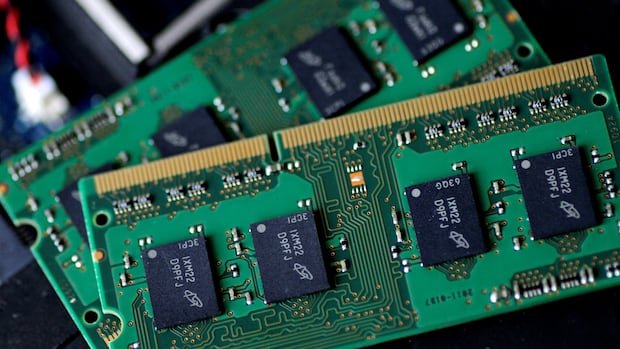

The increasing demand for memory chips, particularly random-access memory (RAM), is causing a significant surge in prices for consumer electronics. Memory manufacturers are redirecting their production focus toward supplying artificial intelligence (AI) companies that require extensive amounts of memory for their data centers. This shift has led to a shortage of RAM and a consequent rise in prices.
Mark Chen, a store manager at Uniway Computers in Calgary, highlighted the drastic price increases in RAM kits over a short period. Prices for a 32GB DDR5 memory kit have more than doubled from under $130 in October to around $300 by mid-November, and now fetching prices of over $400.
Micron Technology Inc., a key RAM manufacturer, recently announced the discontinuation of its consumer-focused brand Crucial to concentrate on catering to the growing demands of AI data centers. Willy Shih, a Harvard Business School professor, explained that Micron and other major competitors like Samsung and SK Hynix are racing to meet the escalating memory needs of AI companies, leading to the surge in consumer prices.
The AI boom has triggered a global memory shortage as companies such as OpenAI, Meta, and Google rush to develop data centers that require high-bandwidth memory to handle AI workloads. To meet this demand, manufacturers are prioritizing the production of high-value memory chips for AI tasks, causing a strain on the availability and pricing of consumer-grade memory components.
The supply crunch is affecting various industries, with the personal computer market being the first to experience the impact of soaring memory prices. Retailers like Uniway Computers and BCOM Computer Centre are facing challenges due to the increased costs of memory components, prompting them to adjust their pricing strategies. The shortage is influencing consumer behavior, with more customers opting for pre-built systems over custom-built PCs.
Looking ahead, the uncertainty surrounding how long the high prices will persist remains a concern. While the AI-driven demand for memory is currently driving the market, there are apprehensions about a potential AI “bubble” that could impact the industry. Consumers are advised to consider delaying upgrades due to the volatile market conditions, with expectations of potential changes in memory configurations and pricing strategies by computer manufacturers.
Moreover, the departure of Micron from the consumer memory market and the focus on AI clients are expected to exacerbate the ongoing challenges in the consumer electronics sector. Despite the price hikes in memory components, other products reliant on memory, such as cellphones, may not see immediate price increases as companies often secure contracts for RAM components well in advance.