
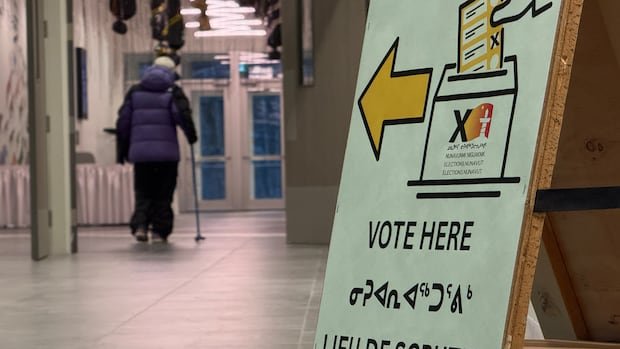

Nunavut’s upcoming territorial administration is poised to feature a blend of familiar and fresh faces, as several former MLAs, including the deputy premier, were ousted in the recent election. Pamela Gross, the former deputy premier from Cambridge Bay, was unseated by Kitikmeot Inuit Association executive director Fred Pedersen, who secured over half of the votes. Incumbents Adam Arreak Lightstone in Iqaluit-Manirajak and former regular caucus chair Solomon Malliki in Aivilik also experienced defeat.
The voter turnout stood at 37 percent, as reported by Elections Nunavut. Notable winners from the election held on Monday include Craig Simailak in Baker Lake, John Main in Arviat-North Whale Cove, Daniel Qavvik in Hudson Bay, David Akeeagok in Iqaluit-Niaqunnguu, Janet Pitsiulaaq Brewster in Iqaluit-Sinaa, George Hickes in Iqaluit-Tasiluk, Alexander Sammurtok in Rankin Inlet North-Chesterfield Inlet, and David Joanasie in South Baffin among others.
Newly elected faces include Hannah Angootealuk in Avilik, Abraham Qammaniq in Ammituq, Jamie Kablutsiak in Arviat South, Fred Pedersen in Cambridge Bay, David Porter in Gjoa Haven, Gwen Healey Akearok in Iqaluit-Manirajak, Simon Kuliktana in Kugluktuk, Cecile Nelvana Lyall in Netsilik, Annie Tattuinee in Rankin Inlet South, Brian Koonoo in Tununiq, and Gordon Kautuk in Uqqummiut.
Recounts are expected in at least three ridings due to close results. In Pangnirtung, leader Johnny Mike leads by a slim margin of two votes over Nathaniel Julai Alikatuktuk, while in Quttiktuq, Steven Taqtu is ahead by only four votes over Philip Kalluk. In Aggu, incumbent Joanna Quassa maintains a three-vote lead over Erasmus Ivvalu.
Polls closed at 7 p.m. across the region’s three time zones. There were delays in posting results by Elections Nunavut, with only one winner announced before 11:59 p.m. ET. Kiran Situt, Elections Nunavut’s chief electoral officer, emphasized the organization’s commitment to accuracy in result reporting, citing late arrival of special ballots as a factor in the delay.
Two constituencies had acclaimed candidates, leading to uncontested results. The trend of declining voter turnout in Nunavut has been a cause for concern, with less than half of eligible voters participating in the most recent election. Manitok Thompson, one of Nunavut’s early MLAs, highlighted voter apathy driven by perceived government inaction on critical issues like high living costs and housing shortages.
The youth vote is expected to play a pivotal role, given that nearly half of Nunavut’s population is under 25 years old. Despite this demographic, youth voter registration was notably low in the last territorial election. The total registered voters for this year’s general election, as per Elections Nunavut’s records, stands at around 17,000. Nunavut’s unique consensus-style government features independent candidates without political parties, with cabinet members selected approximately two weeks post-election through a secret-ballot process.