
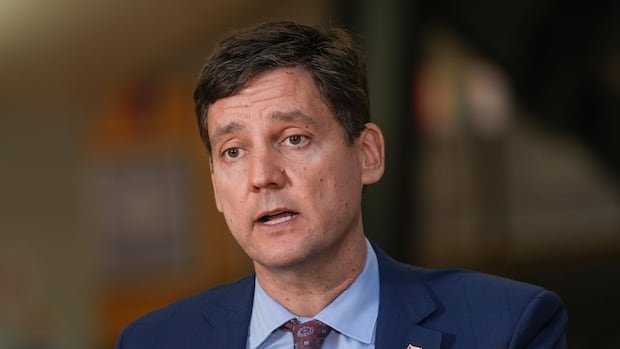

British Columbia Premier David Eby has decided against imposing additional retaliatory measures against the United States following the imposition of another tariff on softwood lumber. Eby emphasized the importance of maintaining the existing countermeasures already in place, stating that pursuing independent actions may not be the most favorable approach. Notably, the current restrictions involve the exclusion of American alcohol from British Columbia-operated liquor outlets and the exclusion of U.S. firms from public procurement processes.
Eby highlighted the commitment to uphold these measures until a resolution is reached through negotiations with the U.S. On the recent development, where the U.S. imposed a 10 percent tariff on Canadian lumber in addition to the existing 35 percent tariff, Eby urged for federal assistance to safeguard forestry workers amidst the escalating trade tensions.
Industry Minister Mélanie Joly assured that imminent support for the softwood lumber sector is on the horizon, with funding expected to be provided through banks with backing from the Business Development Bank of Canada. Eby emphasized the urgency in ensuring prompt allocation of this financial aid to prevent further job losses in the forestry industry.
Amidst concerns about the impact on small and medium-sized lumber companies in British Columbia, Andy Rielly, board chair of the Independent Wood Processors Association of British Columbia, expressed apprehension over the potential long-term consequences if these businesses were to vanish.
Furthermore, as the trade dispute between Canada and the U.S. persists, there were indications of differing perspectives within Team Canada regarding the appropriate strategy and response to President Donald Trump’s trade policies. Eby underscored the importance of maintaining unity among all provinces, emphasizing the need for concerted efforts to strengthen the national economy despite occasional disagreements on tactics.
While Ontario Premier Doug Ford urged for a robust response from the federal government if a trade deal cannot be achieved, Prime Minister Mark Carney opted for a diplomatic approach, emphasizing the ongoing bilateral negotiations as a more constructive path forward over escalating retaliatory measures. Carney emphasized the importance of dialogue and negotiation in resolving the trade tensions with the U.S.