
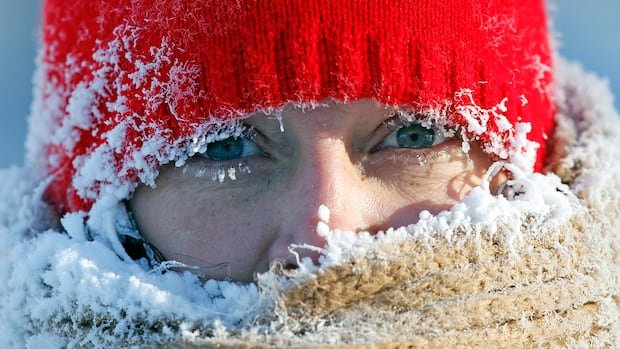

A weather phenomenon known as the “polar vortex” gained widespread attention in 2014 due to plummeting temperatures in Canada and the U.S., with some areas experiencing colder conditions than Mars. Now, experts are predicting that Western and Central Canada will soon feel the impact of this frigid weather pattern, which may extend to Eastern Canada.
According to climatologist Judah Cohen from the Massachusetts Institute of Technology (MIT), the latest European model suggests a significant cold spell developing in the region. The polar vortex, typically found in the stratosphere, occasionally weakens in winter, moving southwards and bringing unusually cold air to lower latitudes by interacting with the jet stream in the troposphere.
Michael Sigmond, a research scientist at Environment and Climate Change Canada (ECCC), explained that disruptions in the polar vortex occur approximately every two years, leading to drastic temperature changes associated with the vortex’s destabilization. Different types of polar vortex disruptions, such as sudden stratospheric warming events, can result in prolonged cold spells affecting various regions.
While the specific type of polar vortex event anticipated remains uncertain, some experts suggest it could be a sudden stratospheric warming occurrence, potentially setting a record as the earliest on record. Regardless of the exact nature of the event, the outcome is expected to bring cold conditions to the affected regions in Canada.
As the polar vortex’s impact on Western and Central Canada looms, the direction it will take remains a key question for meteorologists. Whether it will move directly south or shift eastward is a critical aspect that will determine the extent of its influence on different parts of the country.