
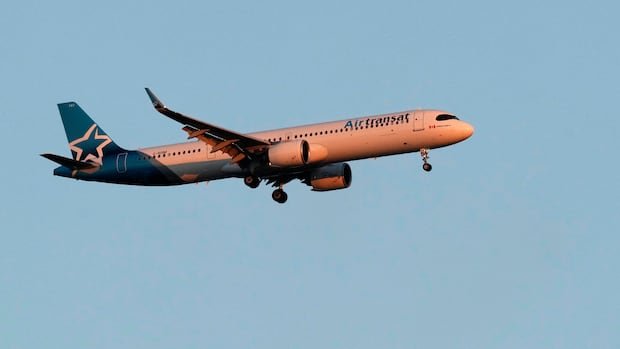

The union representing Air Transat’s pilots announced on Wednesday that an overwhelming majority of its members have voted to authorize a strike. However, the Air Line Pilots Association (ALPA) clarified that while this grants the union’s leadership the power to declare a strike as early as December 10, it does not serve as an immediate strike notice.
Air Transat emphasized that this vote is a standard part of the bargaining process and that operations are ongoing without disruption. The airline expressed its commitment to negotiating a collective agreement that aligns with market conditions, company needs, and acknowledges the contributions of its pilots. Air Transat reassured customers that efforts are being made to reach an agreement to prevent any impact on travel plans.
Negotiations between ALPA and the airline commenced in January, months before the expiration of the existing collective agreement. The union is advocating for a new agreement that safeguards job security and enhances working conditions, compensation, and overall quality of life. Over 99% of the pilots who participated in the ballot showed support for a strike if deemed necessary.
Following the conclusion of conciliation on November 18, both parties are currently in a 21-day cooling-off period that concludes on December 10. Bradley Small, the chair of the Air Transat ALPA master executive council, affirmed that the vote underscores the pilots’ unity and determination to secure a contract that reflects current industry standards.
Small highlighted the discrepancies between the current contract for Air Transat pilots and those of their counterparts at WestJet and Air Canada, emphasizing the need for fair terms. Industry experts point out that the timing of the strike authorization vote, particularly during the peak holiday season, could serve as a strategic leverage point in negotiations.
While the possibility of a strike looms, experts suggest that both parties have a mutual interest in avoiding such a scenario due to its potential impact on pilots and their families. The federal government could intervene with back-to-work legislation to mitigate the economic consequences and disruptions to travel schedules should a strike occur.