
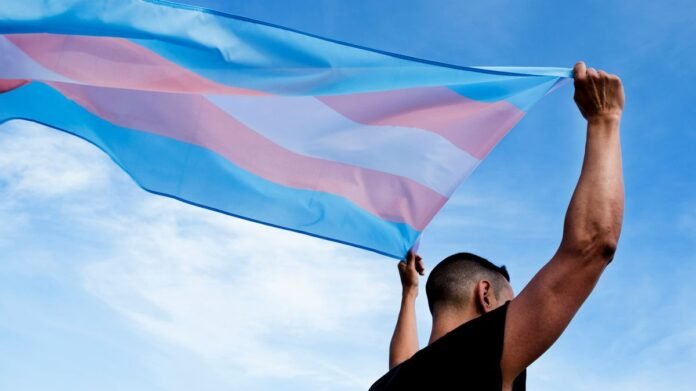

The issue surrounding transgender individuals is fundamentally a matter of human rights. It is crucial to understand that the equality, happiness, and mere existence of trans people should not be up for debate or subject to scrutiny in determining support or opposition.
Recently, Bridget Phillipson, the Minister for Women and Equalities, received guidance from the Equality and Human Rights Commission (EHRC) regarding the handling of ‘single sex spaces’. According to The Times, new equalities guidance suggests that transgender individuals could face exclusion from single-sex spaces based on their appearance rather than their gender identity.
Defining womanhood solely based on physical attributes is outdated and restrictive. Womanhood transcends biology and cannot be confined to one specific characteristic. The notion that one must fit a certain mold to belong in gender-specific spaces is regressive and limits societal diversity and inclusivity.
Enforcing strict criteria to define individuals as male, female, or otherwise only serves to hinder a diverse and thriving society. Punishing individuals for not conforming to rigid gender norms is a step back towards conservative ideals that restrict personal freedom and expression.
Advocates for regulating single-sex spaces fail to recognize the potential harm and discrimination that such actions can perpetuate. By scrutinizing individuals based on suspicion, privacy and dignity are compromised not only for the transgender community but also for women in general.
In response to the guidance, Phillipson emphasized the importance of ensuring access to single-sex provisions for women, particularly in critical services like domestic violence and rape crisis centers. She stressed the need to treat trans individuals with dignity and respect while navigating these complex issues.
Engaging in public debates about potentially excluding individuals from certain spaces undermines the principles of dignity and respect. It is essential to approach these matters with empathy and understanding rather than politicizing the lives and rights of transgender individuals.
Recent legal decisions, such as the UK Supreme Court ruling on the definition of ‘woman’ in the Equality Act 2010, highlight ongoing debates around gender identity and legal recognition. Despite being a minority group, individuals with different gender identities face significant challenges and discrimination both online and in real-life interactions.
Actress Jameela Jamil criticized the disproportionate focus on a minority group, highlighting the need to address broader societal issues rather than targeting marginalized communities. Promoting diversity and inclusivity is essential for a vibrant and progressive society.
Addressing issues related to gender identity requires sensitivity and a commitment to upholding human rights for all individuals. It is crucial to foster a culture of respect and understanding to create a more inclusive and equitable society.