
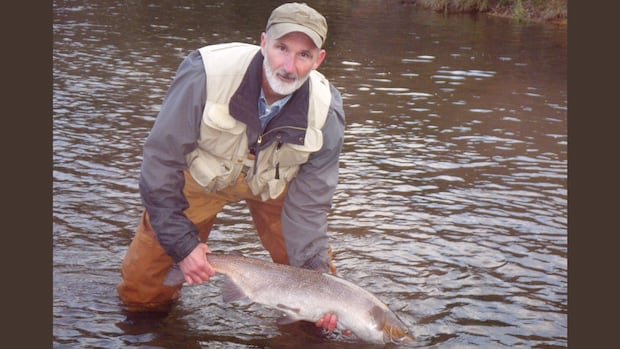

A federal advisory committee has expanded its list of endangered Atlantic salmon populations, causing concern among conservation groups in Cape Breton. The potential impact of the change includes the possibility of curtailing recreational fishing for the iconic species in most of New Brunswick, Prince Edward Island, and Nova Scotia. The Department of Fisheries and Oceans acknowledges this as a potential outcome but stresses that it is not inevitable.
Following a reassessment by the Committee on the Status of Endangered Wildlife in Canada (COSEWIC), which included salmon populations along Nova Scotia’s entire coast and the southern Gulf of St. Lawrence, the change in assessment status was communicated during federal fisheries meetings with stakeholders earlier this month. René Aucoin, president of the Cheticamp River Salmon Association, expressed surprise at the news, particularly considering the strong salmon population in the western Cape Breton river over the past decade.
While concerns exist for salmon populations on Nova Scotia’s Atlantic coast, the situation differs on the western side of Cape Breton Island, where rivers have shown significant improvement in recent years. This discrepancy has raised questions about the rationale behind designating these populations as endangered.
Amid worries that the Nova Scotia and southern Gulf salmon populations may be added to the Species at Risk Act, stakeholders like Bill Hailey, vice-president of the Margaree Salmon Association, emphasize the importance of considering the specific conditions of each river. They fear that such a listing could potentially lead to the end of recreational angling activities, even catch-and-release practices.
The process of considering an endangered listing under federal law involves extensive consultation with the public, conservation organizations, industry stakeholders, and First Nations, which could take years before a final decision is reached. While stakeholders are prepared to challenge any permanent changes to the salmon status, the lengthy process remains a cause for concern.
Despite the ongoing discussions, the Department of Fisheries and Oceans is evaluating various factors, including scientific evidence and socio-economic considerations, before making any decisions on listing Atlantic salmon populations as endangered. While recognizing the seriousness of the situation, officials stress the need for a comprehensive approach that takes into account a range of considerations before any definitive actions are taken.
Efforts to conserve Atlantic salmon populations, such as the Atlantic salmon conservation strategy launched by DFO, are in progress, but critics argue that these initiatives lack sufficient funding. The recommendations from COSEWIC will eventually be presented to Environment and Climate Change Canada, with potential economic impact, conservation efforts, social implications, and Indigenous perspectives being considered in the decision-making process.