
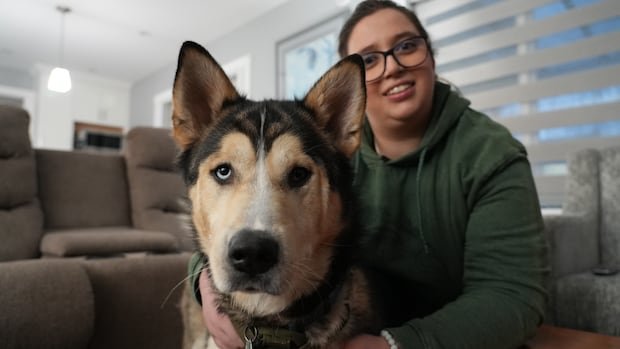

Sara Bell was at North 40 Park Reserve in Delta, B.C., with her two-year-old husky Nilak when he unexpectedly consumed a napkin off the ground. Bell recounted, “He just swallowed it whole, so I wasn’t able to retrieve it from him.” Aware of Nilak’s Portosystemic Shunt condition affecting his liver, Bell hurried him to a veterinarian upon noticing his unusual behavior. Test results revealed that Nilak had ingested an excessive amount of cocaine. Following the administration of fluids, Nilak recovered.
Expressing her shock and fear for her dog, Bell shared the incident on Facebook and was surprised by the numerous similar stories from dog owners whose pets had overdosed on substances picked up outdoors. Mia Riback, who had a dog previously overdose on hashish found at a campground, emphasized the emotional turmoil and financial strain of the ordeal. Similarly, Melissa White recounted a past incident where her dog ingested cannabis at the same park, emphasizing the need for vigilance despite precautions.
Veterinarians are witnessing a rise in cases of dog overdoses, although data collection on the issue is lacking. Dr. Tracy Fisher, the president of the Canadian Veterinary Medical Association and a practicing small animal veterinarian in Regina, noted the prevalence of such incidents across North America due to illicit substance usage. Fisher stressed the importance of prompt veterinary care, especially for opioid ingestions, to improve the chances of recovery.
The Society of B.C. Veterinarians highlighted the increasing complexity of cases involving multiple drugs in dogs, often linked to contaminated human waste in urban settings. Dr. Heather James, a board member of the Society, advised pet owners to be vigilant for signs such as balance issues, tremors, vomiting, or abnormal behavior. She underscored the necessity of professional intervention and drug testing to identify and treat ingested substances effectively.