
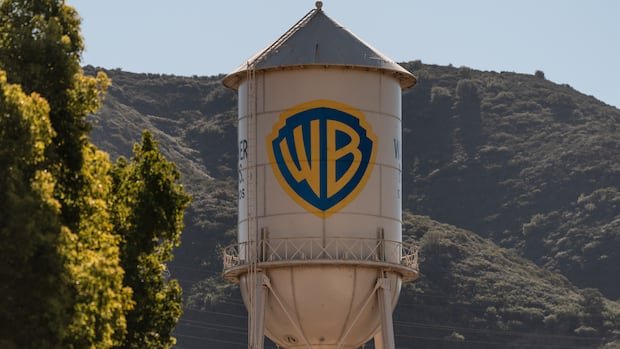

Netflix has decided to withdraw from the bid to acquire Warner Bros. Discovery’s assets, citing that the deal is no longer financially appealing following a revised offer from Paramount Skydance. The move, announced on Thursday, signals the conclusion of a significant consolidation effort in Hollywood.
Earlier this month, director James Cameron expressed concerns to the U.S. Senate antitrust subcommittee regarding Netflix’s proposed purchase of the Hollywood studio. Cameron warned that the acquisition could have disastrous implications for the movie theater experience.
Netflix had previously granted Warner Bros. a seven-day waiver to solicit a final offer from Paramount, but ultimately opted not to increase its bid. The streaming giant’s co-CEOs, Ted Sarandos and Greg Peters, stated that while they believed they could have been responsible stewards of Warner Bros.’ iconic brands, the transaction was viewed as a desirable opportunity at the right price, rather than a necessity at any cost.
In evaluating the competing proposals, it is essential to understand the implications for the entertainment industry. Netflix aimed to acquire Warner Bros.’ streaming and movie studio assets, which include HBO, HBO Max, Warner Bros. Film and TV Studios, and DC Studios. On the other hand, Paramount, after a hostile takeover bid rejected last year, sought to acquire all of Warner Bros.’ assets, including the studios, streaming services, and cable networks like CNN.
Both bids had the potential to reshape the media landscape, raising concerns about competition. Netflix’s proposal would have merged Warner Bros.’ television and film divisions with its own library and production arm, giving it significant control over TV and film content. Paramount’s bid, partially backed by Oracle co-founder Larry Ellison, raised concerns about media consolidation, considering the control it would have over CBS News and CNN.
For moviegoers who prefer the theatrical experience, the outcome of these bids holds significance. Netflix and Paramount have differing approaches to theatrical releases, with Netflix historically favoring shorter exclusive windows for movies before transitioning to streaming. However, both companies have indicated commitments to maintaining theatrical release windows for Warner Bros. Discovery films.
In terms of streaming, the impact of a merger on Canadian platforms like Crave, which license HBO content, remains uncertain. A potential merger would likely consolidate content offerings and reshape the competitive landscape in the streaming industry, challenging Netflix’s dominance.
The potential job implications of these mergers are a point of concern, with industry unions monitoring the situation closely. Directors Guild of America president Christopher Nolan emphasized the likelihood of job losses and consolidation resulting from the mergers, emphasizing the need for clarity on how these issues will be addressed.
Media consolidation has become a contentious issue in these proposed deals, with lawmakers and regulators expressing concerns about the impact on competition and consumer choice. Approval from regulatory bodies like the Federal Communications Commission and state antitrust regulators would be required for any deal to proceed.