
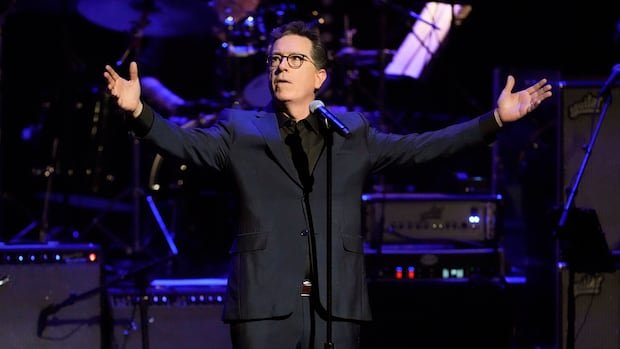

A clash between comedian Stephen Colbert and the network that broadcasts his late-night program has highlighted an age-old broadcast regulation known as the equal time rule. During the latest episode of “The Late Show with Stephen Colbert,” the host revealed that CBS attorneys informed him that he was prohibited from featuring an interview with Texas Democrat James Talarico, a U.S. Senate candidate. Colbert humorously delved into the issue and its implications after being instructed not to discuss the matter on air.
CBS refuted Colbert’s description, stating that they had simply provided legal advice cautioning that airing the interview could trigger the FCC’s equal-time rule. The equal time rule mandates broadcasters to offer equal airtime to all candidates participating in elections, serving as the crux of the dispute between Colbert and CBS.
Enshrined within the Communications Act of 1934, the equal time rule stipulates that if one candidate receives airtime on a program, all other contenders vying for the same position must be afforded a similar opportunity. Exceptions to the rule exist, including coverage of live events, documentaries, newscasts, and “bona fide” interview programs. Notably, the rule exclusively applies to broadcast television and radio, excluding streaming services and social media platforms.
The interpretation of the equal time rule has evolved over time. Recent guidance from the Federal Communications Commission (FCC) indicated a shift in policies, suggesting that talk shows were not automatically exempt from the rule. This change in approach raised concerns within the industry, with Colbert criticizing FCC Chairman Brendan Carr for potential partisan motivations behind the regulation.
While the FCC denied censoring Colbert’s show, it emphasized the responsibility of broadcasters to comply with regulations. The FCC’s renewed scrutiny has extended to other programs like “The View” and “Saturday Night Live,” prompting discussions about the rule’s relevance in the digital age.
Despite the ongoing debate surrounding terrestrial television compliance with the rule, Colbert’s interview with Talarico remains accessible on YouTube, garnering significant viewership. The debate over the rule’s applicability to digital platforms underscores the continued importance of ensuring fair media representation for all candidates, as highlighted by industry experts like communication and technology lawyer Harold Feld.