
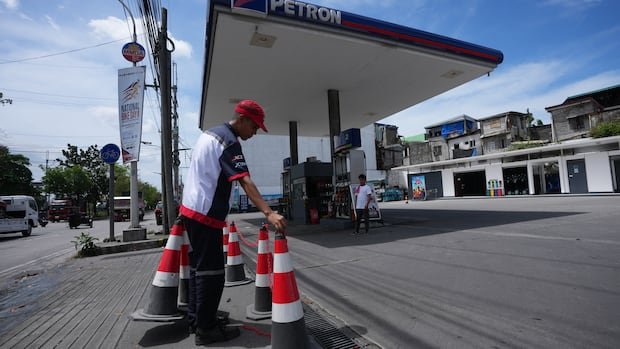

Oil prices experienced significant volatility, dropping below $100 US per barrel after hitting their highest level since 2022. The market turbulence was attributed to escalating tensions between the U.S., Israel, and Iran, leading to concerns about oil production and shipping disruptions in the Middle East. Brent crude, the global benchmark, briefly surged to $119.50 US per barrel, reminiscent of levels seen during the 2022 Russia-Ukraine conflict, before plummeting to under $90 US later in the day. Similarly, West Texas Intermediate saw a spike to over $119.48 US per barrel before a notable decline.
The ongoing conflict, initiated on Feb. 28 by the U.S. and Israel against Iran, has triggered a crisis impacting oil and gas infrastructure globally. The situation worsened as Iran appointed Mojtaba Khamenei as the new supreme leader amidst continued military actions. Concerns over potential attacks have disrupted tanker traffic in the crucial Strait of Hormuz, a key passage for a significant portion of the world’s oil shipments.
Major oil-producing nations such as Iraq, Kuwait, and the U.A.E. have curtailed production due to export limitations, resulting in storage capacity challenges. Attacks on energy facilities by various parties involved in the conflict have exacerbated supply uncertainties. Experts warn that the current disruptions constitute the most significant oil supply shock in economic history, surpassing previous crises in the 1970s and 1980s.
The impact of the conflict extends beyond the energy sector, with civilian targets also bearing the brunt of the escalating violence. Recent incidents, including strikes on Tehran’s oil depots and a critical desalination plant in Bahrain, have further heightened tensions. The closure of the Strait of Hormuz has led to production cuts and storage constraints, necessitating complex efforts to restore output levels.
Despite discussions about utilizing emergency oil reserves to stabilize prices, the G7 nations have refrained from releasing strategic stocks for the time being. The refusal to tap into reserves reflects a cautious approach as global markets brace for potential long-lasting repercussions from the ongoing crisis. The situation has already started impacting Asian economies, with rising fuel costs posing challenges for industries heavily reliant on Middle Eastern imports.
As energy prices surge, the specter of higher inflation looms, affecting consumer spending and economic stability. The aviation industry is particularly vulnerable, with airlines facing the prospect of increased jet fuel expenses. Analysts advise travelers to plan ahead due to potential airfare hikes resulting from elevated fuel prices. Despite existing fuel hedging mechanisms, airlines may eventually pass on the cost burden to consumers as the crisis persists.