
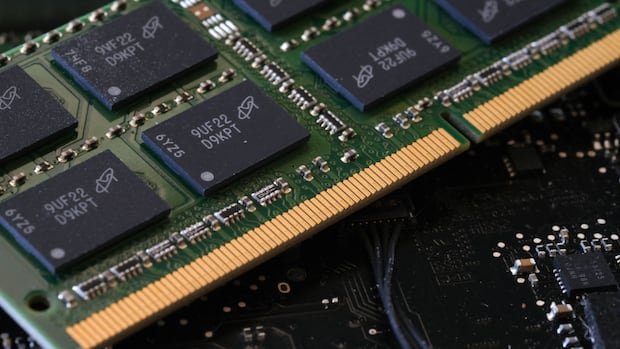

The surge in artificial intelligence investment has resulted in a scarcity of the global memory chip supply, creating a crisis for consumer electronics firms worldwide. The shortage of random access memory (RAM), an essential component in most modern devices, is poised to escalate prices and cause shipment delays for laptops, smartphones, gaming consoles, and cars.
Majorly, three companies dominate the production of RAM worldwide: Samsung and SK Hynix from South Korea and Micron Technology from the United States. The latter two have completely sold out high bandwidth memory chips for the remainder of the year, as they have redirected much of their capacity from traditional DRAM and flash memory to the more lucrative high-bandwidth memory segment used for AI applications.
Notably, consumer electronics giants are feeling the pinch, with some indicating limited leeway once their existing memory chip stock depletes. Qualcomm’s CEO attributed a weak forecast to the memory shortage, while Intel’s CEO cautioned that relief from the shortage may be at least two years away. Companies like HP and Dell have already started raising prices on their products in response to the scarcity.
Moreover, the gaming industry is bracing for impact, with concerns rising about potential delays in new console releases or price hikes. Sony, for instance, aims to counter higher memory costs by focusing on monetizing existing consumer bases. Some gaming companies are exploring strategies to offset rising costs by implementing additional charges for consumers or expanding their business offerings.
The memory chip shortage is forecasted to persist until year-end, with potential repercussions if chip manufacturers need to pivot back to consumer-focused memory production. This shift would necessitate building new facilities, a process that would span several years to address the evolving market demands.