
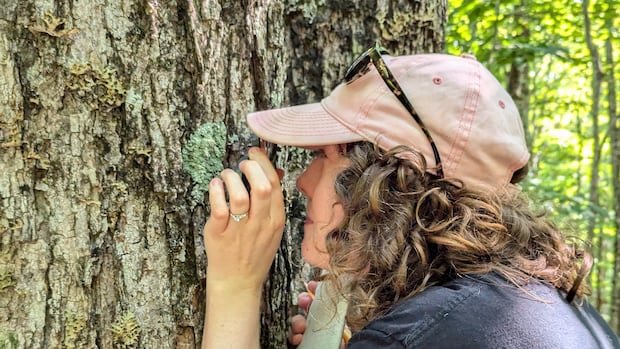

The Nature Trust of New Brunswick researchers are actively seeking out four distinct types of lichens, and they have successfully located one in a rather unconventional location.
Between Alma and Riverside-Albert, to the east of Fundy National Park, they came across the scaly fringe lichen, scientifically known as heterodermia squamulosa.
Ilana Urquhart, a conservation coordinator with the Nature Trust, mentioned that this discovery marks the furthest eastern sighting of this lichen species on record.
Lichens, which are a symbiotic relationship between a fungus and a photosynthetic partner like algae, typically manifest as grey, yellow, or green crusty patches that grow on trees, resembling moss in appearance.
Finding lichens can be a bit challenging, but they are usually located on rocks and trees, according to Urquhart.
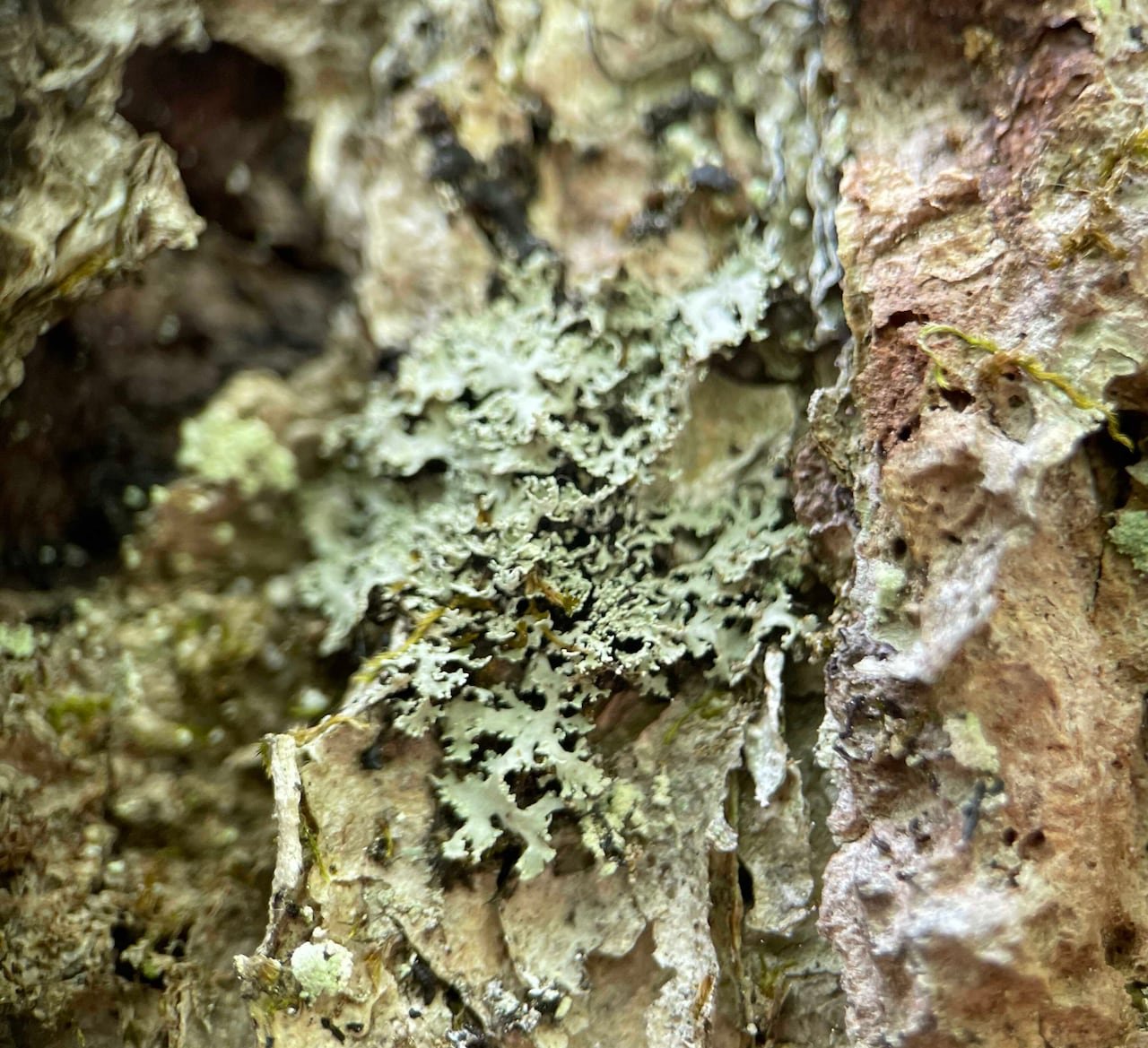
Previously, these lichens have been found along the coast west of Fundy and a few times on Grand Manan.
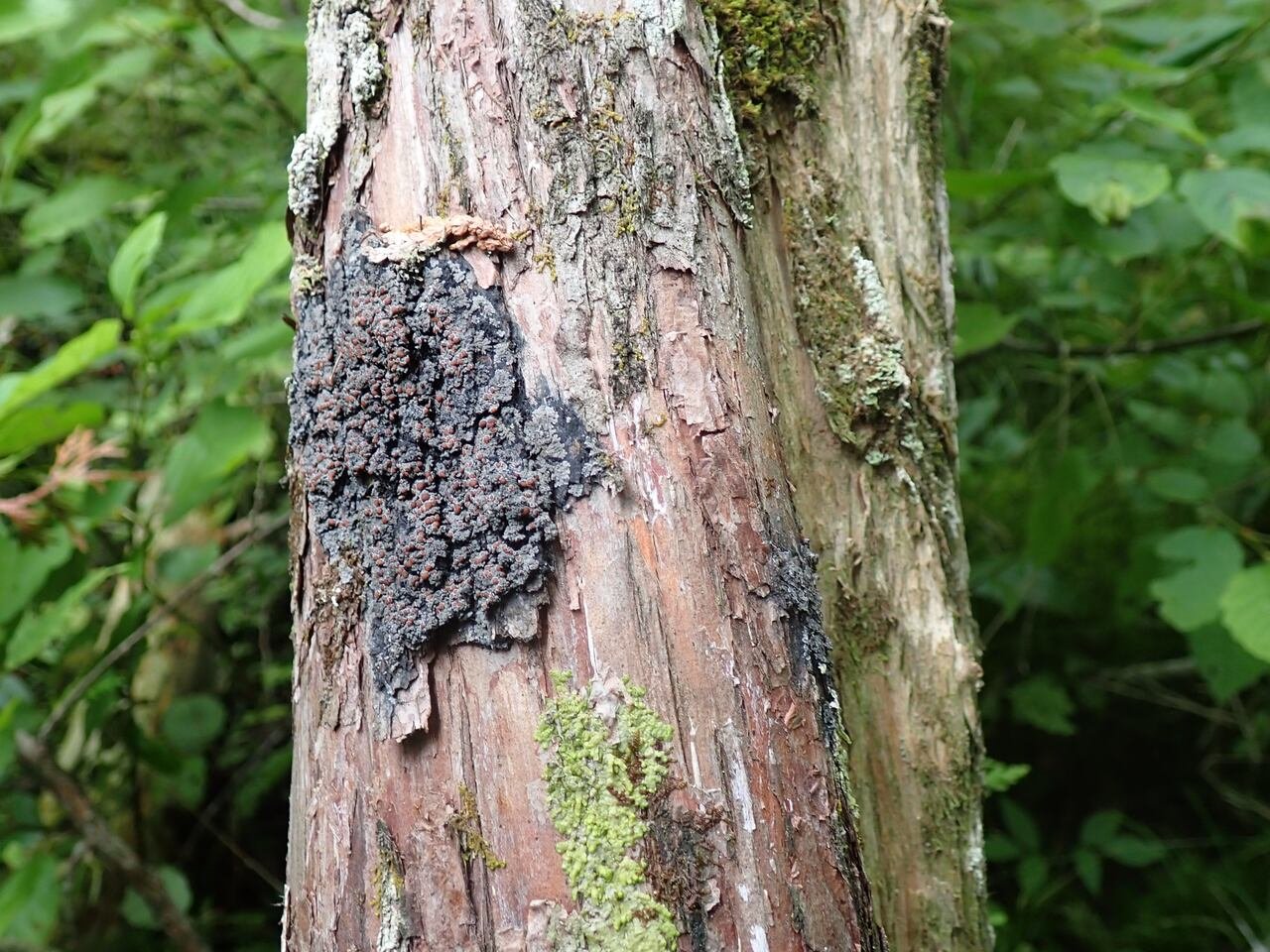
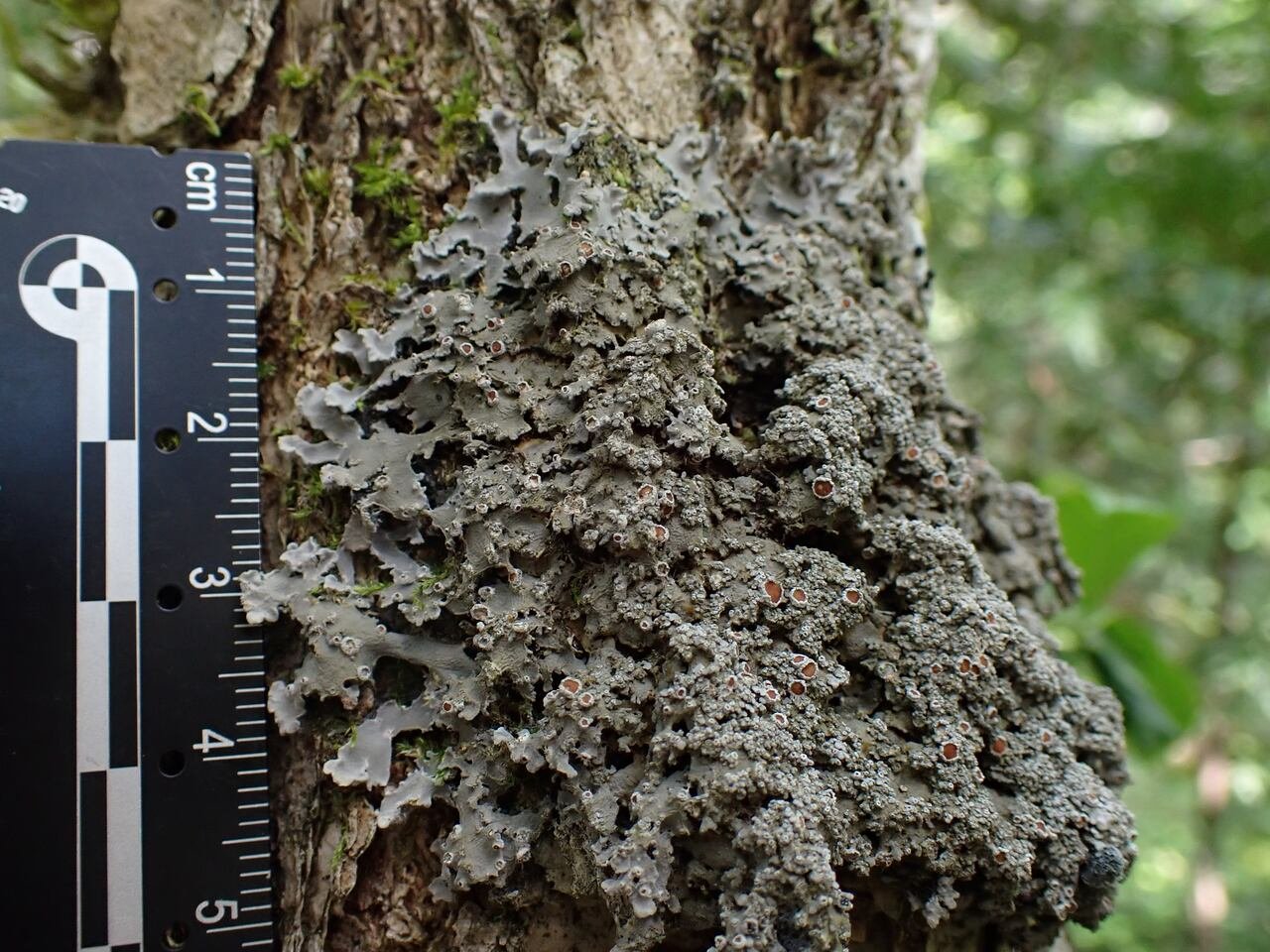
Urquhart explained that lichens, including the scaly fringe lichen and the other sought-after types — wrinkled shingle lichen, blue felt lichen, and white-rimmed shingle lichen — are notably elusive.
All four species have been assessed for their rarity in the region, with the wrinkled shingle lichen categorized as endangered, while the white-rimmed and scaly fringe lichens are considered threatened, and the blue felt lichen is of particular concern.
According to Urquhart, lichens serve as a valuable indicator of a healthy ecosystem capable of accommodating various species.
She emphasized, “Although we may not immediately grasp their significance, they are often present in highly diverse and rich environments.”
Habitat loss is identified as the primary threat to lichens, primarily due to activities like logging and harvesting, as per Urquhart.
She noted the scarcity of observational data on these lichens, highlighting that the Nature Trust’s findings will be shared with fellow researchers and contribute to the province’s dataset.
Through the Habitat Stewardship Program funded by Environment Climate Change Canada, the Nature Trust received support for their project focused on at-risk species.
Commencing their search for