

NASA astronaut Sally Ride made history in 1983 as the first American woman in space. Before her groundbreaking launch, she was asked if 100 tampons would be sufficient for her week-long mission. Ride responded that the quantity was not adequate, highlighting the ongoing taboo surrounding menstruation.
The issue of managing menstruation in space is crucial for future long-duration missions. While astronauts can currently opt for hormonal methods to suppress menstruation, there is a growing need to explore alternative options.
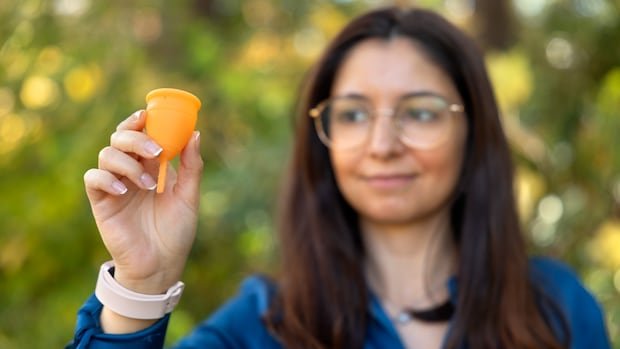
A recent study published in the NPJ Women’s Health journal is investigating the use of menstrual cups for astronauts who menstruate. These reusable devices offer a sustainable and practical solution, particularly for extended space missions where traditional menstrual products may not be viable.
Conducted by Cornell University in partnership with Lunette, the study tested the performance of menstrual cups in simulated space conditions. The successful results have sparked interest in providing diverse menstrual product options for astronauts.
With upcoming missions to the moon and Mars, addressing menstrual health in space is gaining prominence. Researchers emphasize the importance of offering accessible and effective solutions to support astronauts’ well-being during extended space travel. Menstrual cups, being lightweight and reusable, present a promising alternative to traditional menstrual products.
Beyond menstrual health, researchers are exploring broader considerations such as human sexuality and reproduction in space. The ongoing advancements in space medicine aim to enhance the overall well-being and comfort of astronauts during prolonged missions.
Looking ahead, further testing of menstrual cups in space conditions is planned to evaluate their performance in various scenarios. Researchers are optimistic about the potential benefits these options can bring to astronauts who menstruate, underscoring the importance of inclusive and practical solutions for space exploration.