
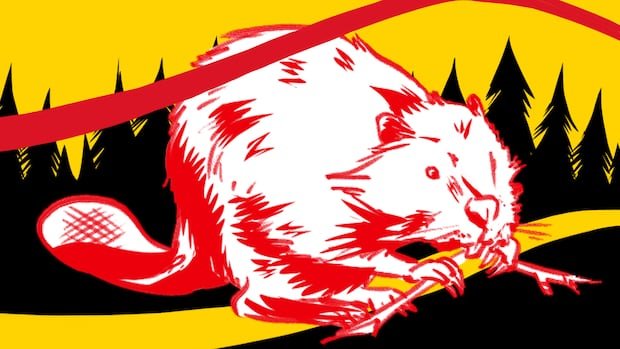

Alvin First Rider, an environmental scientist and manager for Blood Tribe Land Management, has observed frequent droughts on Blackfoot territory in Alberta, leading to water scarcity in the region. To address this issue, First Rider is utilizing beavers to help preserve water by constructing artificial beaver dams made of natural materials like mud, stones, and willow branches. These dams aid in managing the community’s water supply, particularly during dry periods.
By imitating the behaviors of beavers, these structures slow down water flow, contributing to ecosystem restoration and reducing the risk of environmental problems such as flooding and wildfires. Beavers, considered a keystone species and culturally significant in many Indigenous traditions, embody teachings of reciprocity and family connection.
First Rider highlights the importance of merging Indigenous wisdom with modern science to tackle environmental challenges. Through his efforts, four beaver dam analogs have been built on the Blood Reserve in the past two years, resulting in positive outcomes. Areas that used to be arid are now retaining water for extended periods, benefiting livestock, farming, and traditional plant growth like willows and sweet grass, essential to the Blackfoot way of life.
In Anishinaabe culture, beavers hold significance due to their relationship with wild rice, known as manoomin. Mickki Garrity, a researcher at the Fairfax Beaver Lab, is investigating how beavers impact wild rice habitats. Despite changes post-colonization, understanding the interaction between Anishinaabe people, beavers, and wild rice remains crucial for their cultural identity and ties to the land.
Breanne Lavallée-Heckert, from the Manitoba Métis Federation, emphasizes the historical exploitation of beavers during the fur trade era, which birthed the Métis Nation. Educating the public about this past serves as a tribute to the countless beavers sacrificed for economic gain. Lavallée-Heckert advocates for a relationship of reciprocity with beavers moving forward, acknowledging their vital ecological role and the need for mutual respect between humans and wildlife.