
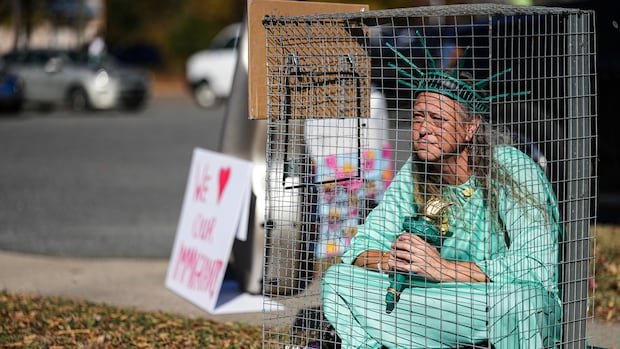

Federal immigration authorities are likely to extend their enforcement efforts to a new city in North Carolina, following a shift in priorities and legal challenges in other cities sanctioned by the Trump administration. Raleigh Mayor Janet Cowell confirmed that Customs and Border Protection operations are expected in Raleigh, urging the community to uphold values of peace and respect during potential challenges.
Charlotte was previously targeted by the Trump administration for increased immigration enforcement to combat crime, despite opposition and declining crime rates. Border patrol officers in Charlotte recently apprehended more than 130 individuals for violating immigration laws, citing offenses such as gang membership, aggravated assault, and shoplifting. However, details on convictions and pending charges were not disclosed.
The Trump administration’s deployment of National Guard troops in various cities, including Los Angeles and Chicago, has sparked controversy. While National Guard members lack arrest powers, they are tasked with protecting federal facilities, particularly those managed by U.S. Immigration and Customs Enforcement. The administration’s deportation agenda has faced criticism for targeting not only violent offenders but also individuals such as working parents and asylum-seekers.
The Department of Homeland Security’s focus on North Carolina is attributed to the state’s sanctuary policies, which limit cooperation between local authorities and immigration agents. Amid objections from local leaders, including Governor Josh Stein and Charlotte Mayor Vi Lyles, the crackdown has raised concerns about the targeting of American citizens based on race and political motives.
Democratic officials have resisted Trump’s military involvement, with cities like Chicago challenging the legality of troop deployment. Calls for demobilization and legal challenges have been raised in response to the administration’s use of military forces in various cities. Legal battles and opposition from state leaders continue as the administration seeks to expand its immigration enforcement efforts.
The National Guard’s presence in cities like Memphis has stirred controversy, with Mayor Paul Young stating that he did not request their deployment. Troops patrolling the city lack arrest powers, raising questions about the administration’s approach to combating crime. Public dissent and legal actions against the use of military forces in domestic law enforcement highlight ongoing tensions between federal and state governments.