
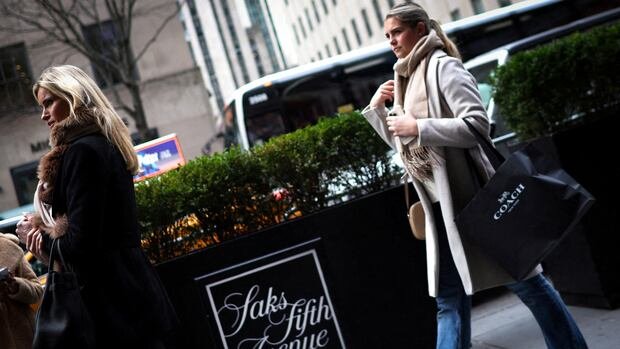

Saks Global, a prominent luxury department store conglomerate, has filed for bankruptcy protection, marking one of the significant retail collapses during the pandemic. This move follows a recent merger involving Saks Fifth Avenue, Bergdorf Goodman, and Neiman Marcus under the same ownership.
The future of the iconic U.S. luxury fashion brand is uncertain, but Saks has confirmed that its stores will remain operational for now. The company secured a $1.75 billion financing package and appointed a new CEO to steer its operations. Despite its popularity among affluent clientele, Saks struggled to recover from the impact of the COVID-19 pandemic, facing heightened competition from online retailers and direct-brand sales.
Geoffroy van Raemdonck, former CEO of Neiman Marcus, has taken over from Richard Baker, who orchestrated the acquisition strategy that burdened Saks Global with debt. The company’s assets and liabilities are estimated to range between $1 billion and $10 billion, as per documents filed in U.S. Bankruptcy Court.
The bankruptcy process aims to facilitate debt restructuring negotiations with creditors or seek new ownership. Failure to find a viable solution could lead to closure. Saks emphasized that its challenges lie in inventory availability and vendor confidence rather than a lack of demand for luxury goods.
The acquisition of Neiman Marcus added to Saks Global’s debt load amid a slowdown in global luxury sales. The company, with approximately 17,000 employees, previously raised $600 million and restructured debt in 2025 to address financial difficulties. However, persistent issues with vendor payments and inventory disruptions left Saks Global with severe liquidity constraints heading into 2026.
A recent financing deal will inject $1 billion through a debtor-in-possession loan and provide additional funding upon exiting bankruptcy protection. Notable unsecured creditors include luxury brands like Chanel and Gucci owner Kering. The restructuring underscores a broader industry shift towards reducing reliance on department stores and prioritizing direct-to-consumer and owned channels.
The bankruptcy filing marks a turning point for Saks Global, a brand steeped in American high fashion history, as it navigates financial challenges and seeks a path towards sustainability.