

Barry Blacklock, a former resident of Venezuela and an entrepreneur with extensive experience in the international oil and gas sector, received an influx of messages following the news of the U.S. forces seizing Nicolás Maduro in Venezuela. Blacklock, now based in Mexico, is currently spearheading efforts to coordinate a group of companies interested in investing and providing equipment to Venezuela, anticipating a surge in demand for their services in the upcoming years. This initiative mirrors a similar one he organized in 2019 amid speculations of a potential regime change that did not materialize.
The intervention in Venezuela by the U.S. and President Donald Trump’s plans to revitalize the country’s oil industry have sparked cautious optimism within Alberta’s energy sector. Despite the promising prospects, various hurdles such as an unstable government and uncertainties regarding U.S. involvement still loom large.
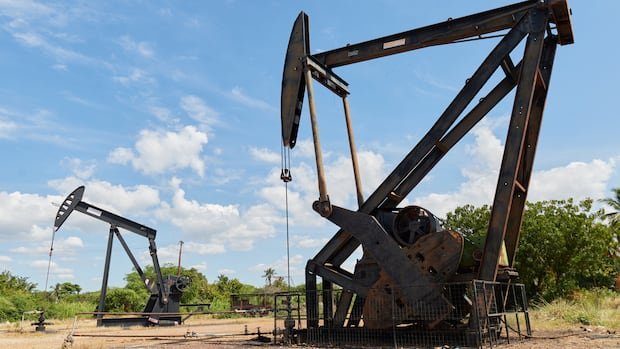
Venezuela boasts the world’s largest proven crude reserves estimated at 303 billion barrels. However, due to corruption, state control, and lack of investments, the country’s oil industry has suffered neglect for the past two decades. This situation presents a lucrative opportunity for foreign companies, particularly those from Alberta, renowned for their expertise in heavy oil similar to Venezuela’s crude.
Amit Mankekar, a consultant operating in Canada and Colombia, highlighted the potential for Canadian technologies to address Venezuela’s pressing needs, which have significantly advanced during the period Venezuela missed out on technological advancements. Adam Waterous, the executive chair of Strathcona Resources, expressed readiness to dispatch a technical team to Venezuela if required, emphasizing the extensive potential for profit in the region.
Despite the optimism, industry experts express reservations due to the challenges associated with operating in Venezuela. Concerns range from tax structures, royalties, safety of Canadian workers, to the persisting U.S. sanctions and uncertainties surrounding the extent of U.S. and Venezuelan cooperation. The reconstruction of Venezuela’s oil industry is projected to be a lengthy and costly endeavor, demanding significant investments and resources.
The hesitancy among executives was evident during a recent meeting at the White House, where Trump urged significant investments in Venezuela’s oil industry. ExxonMobil CEO Darren Woods expressed skepticism, citing previous asset seizures and challenging operational conditions in Venezuela, labeling the current situation as “uninvestable.”
Ensuring government stability, legal protections, contract adherence, and workforce security are crucial prerequisites for any foreign company eyeing operations in Venezuela. Pedro Pereira-Almao, a former University of Calgary professor and Venezuelan native, emphasized the need for political and economic support from the U.S. before engaging in Venezuela. Reflecting on his personal experiences and the tumultuous history of Venezuela’s oil industry, Pereira-Almao underlined the imperative of a conducive environment before considering a return to Venezuela.
While the potential for increased oil output in Venezuela poses a competitive challenge for the Canadian energy industry, particularly in Alberta, Blacklock acknowledged the mixed sentiments within the sector regarding the business prospects in Venezuela. The impact of Venezuelan oil entering the market could potentially erode the Canadian industry’s market share, a concern that underscores the complexities and uncertainties surrounding the energy landscape in the region.