
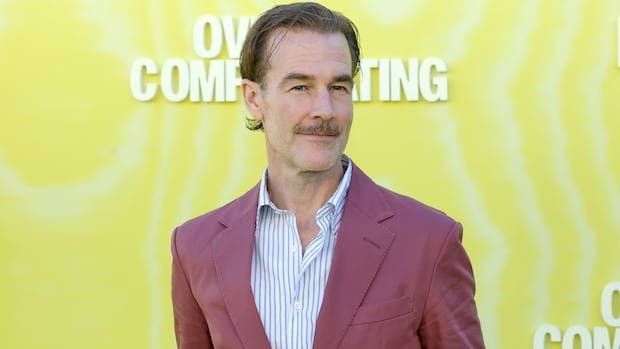

When actor James Van Der Beek from “Dawson’s Creek” succumbed to colorectal cancer at the age of 48 recently, it triggered a strong wave of sadness and support. Alongside this, there was significant attention drawn to a GoFundMe campaign initiated for Van Der Beek’s family, which rapidly amassed over $2.7 million US. The purpose of this fundraising effort was to assist his wife and six children in meeting essential living expenses, settling bills, supporting the children’s education, and safeguarding their lifestyle to prevent potential financial difficulties, including the risk of losing their home.
The response from the public and media was immediate. Culture critic Pablo The Don noted the raised eyebrows and questions circulating regarding the sudden financial need, with some questioning why the family did not have sufficient savings. However, this trend of seeking financial aid from the public is not exclusive to Van Der Beek, indicating a shift in behavior where celebrities and their circles are increasingly turning to grassroots crowdfunding to support their personal needs rather than contributing to broader charitable causes.
This phenomenon has sparked debates and criticisms, particularly when individuals perceived to have ample resources seek financial assistance from their fans. Recent instances include actor Eric Dane from “Grey’s Anatomy,” who passed away after battling ALS and a subsequent fundraising campaign was initiated to support his daughters and their future needs, raising over $400,000 US. Additionally, multiple crowdfunding campaigns were organized to aid Erika Kirk, the widow of commentator Charlie Kirk, following his tragic death, collectively amassing millions in contributions.
Celebrities like Mandy Moore have also faced backlash for soliciting donations from fans to assist their acquaintances in times of crisis, such as when Moore sought support for her brother-in-law and his wife after they lost their home in a wildfire. These instances have fueled discussions around the ethics and implications of celebrity crowdfunding, with some questioning the necessity for public figures to resort to such measures given their financial status.
Experts like health sciences professor Jeremy Snyder suggest that while crowdfunding has become a prevalent strategy for individuals facing financial hardships, the disproportionate attention and contributions received by celebrities underscore underlying inequalities in the system. The heightened visibility and support garnered by famous personalities through crowdfunding campaigns further accentuate these disparities, creating a sense of injustice in comparison to ordinary individuals seeking similar aid.
Despite the criticisms and controversies surrounding celebrity crowdfunding, Snyder acknowledges the courage required for public figures to acknowledge their financial struggles and seek assistance openly. He emphasizes the importance of compassion and understanding towards these individuals, highlighting that assumptions about celebrities’ financial status can often be misguided. As these discussions unfold, it is crucial to consider the personal challenges and vulnerabilities faced by those in the public eye, especially during times of loss and hardship.