
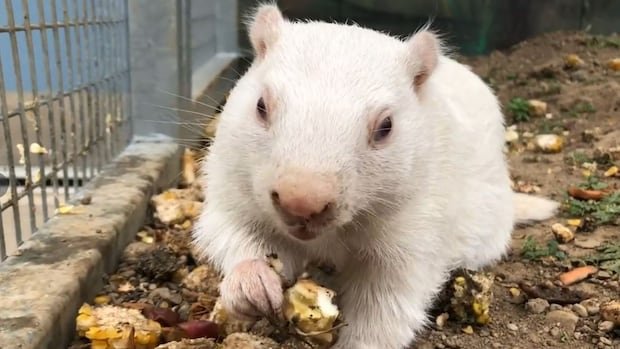

Wiarton Willie and his fellow Canadian animal weather prognosticators have foreseen an early spring following their Groundhog Day appearances. This tradition involves animals emerging from hibernation to predict the arrival of spring or the prolongation of winter. Groundhogs and even a crustacean make these predictions based on whether they see their shadows on February 2.
Among the animal forecasters, Shubenacadie Sam in Nova Scotia and Lucy the Lobster in Barrington, N.S., have both predicted an early spring. Additionally, Fred la marmotte in Quebec also anticipates an early spring. However, Van Isle Violet in Nanaimo, B.C., is forecasting six more weeks of winter. In contrast, Punxsutawney Phil in Pennsylvania has predicted an extended winter period.
According to the legend, if a groundhog sees its shadow on a sunny day, it retreats for six more weeks of winter. On the other hand, if it’s cloudy and no shadow appears, an early spring is expected.
In Wiarton, Ontario, the Groundhog Day event at Bluewater Park draws crowds annually. Wiarton Willie, a popular woodchuck, makes his prediction at 8:07 a.m. ET, attracting tourists to the Bruce Peninsula town. The event includes a festival with activities like breakfast, fireworks, curling, and a chili cook-off.
The tradition of Groundhog Day dates back to 1886 in the U.S., with Punxsutawney Phil being a well-known figure in weather prediction. In Wiarton, the tradition began in 1956 as a playful event that gained popularity over the years. The accuracy rates of these animal forecasters vary, with Wiarton Willie boasting a 29% success rate since 2000.
Other regions in Canada have their own unique ways of predicting the weather on Groundhog Day. This includes characters like Bonhomme Couèche in Shediac, N.B., Manitoba Merv, Alberta’s Balzac Billy, and B.C.’s Okanagan Okie, each offering their own shadow-driven forecasts.
Groundhog Day continues to be a widely celebrated tradition, blending folklore with weather prediction in a fun and engaging manner each year.