

Before President Donald Trump ended trade talks with Canada, provincial leaders were at odds over which industries affected by tariffs should be prioritized. Ontario’s auto sector clashed with the prairies’ canola industry, while British Columbia raised concerns about the lack of focus on the lumber sector. Despite Trump’s actions leading to a more unified front among provinces, tensions persist alongside ongoing tariffs.
In British Columbia, Premier David Eby criticized the federal government for not giving enough attention to the lumber industry, which faces increased tariffs by the Trump administration. Although energy and raw minerals are B.C.’s primary exports to the U.S., wood products follow closely behind and support a significant number of jobs in the province.
Alberta’s economy heavily relies on the oil and gas industry, with petroleum accounting for a substantial portion of exports to the U.S. Despite avoiding direct harsh tariffs, changes in U.S. trade policies have impacted the sector, leading to lower energy demand and oil prices.
Saskatchewan has been hit by Chinese tariffs on Canadian agricultural products, particularly canola, affecting the province’s economy. Premier Scott Moe urged Ottawa to address the issue for the sake of Canadian workers impacted by the tariffs. Additionally, pork products face tariffs, further impacting Saskatchewan’s agricultural sector.
Manitoba is also feeling the economic strain from Chinese tariffs, especially on canola, which is a significant crop for the province. Premier Wab Kinew highlighted the negative impacts on farmers and the pork industry, calling for action to address the challenges.
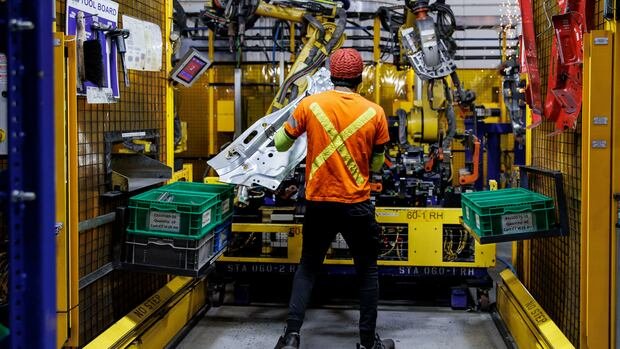
In Ontario, the vehicle manufacturing industry is under threat due to U.S. tariffs, including recent levies on imported trucks. Premier Doug Ford opposed calls to drop tariffs on Chinese electric vehicles, citing concerns about protecting domestic manufacturing from foreign competition. The province has invested heavily in promoting electric vehicle manufacturing and imposed tariffs to safeguard against cheaper foreign technology.
Quebec’s manufacturing sector, particularly aluminum, is vulnerable to U.S. tariffs, impacting the province’s exports. Ontario and Quebec are expected to experience significant GDP decreases due to tariffs, with Quebec’s aerospace and aluminum industries at risk.
In New Brunswick, the lumber industry faces challenges from increased U.S. tariffs, posing economic difficulties for the province. Prince Edward Island and Nova Scotia’s seafood industries have been affected by Chinese tariffs, leading to job losses and slowdowns in processing plants. Newfoundland and Labrador also heavily relies on seafood exports to China, with a notable percentage subject to tariffs.
Overall, Canadian provinces are navigating the impacts of tariffs on various industries, with provincial leaders advocating for measures to address the challenges posed by trade tensions.