

Mexico City has initiated a significant project to unearth and identify numerous bodies from mass graves in a local cemetery in response to the increasing number of missing persons cases. The project, led by the Institute of Expert Services and Forensic Sciences (ISPCF), marks the largest exhumation effort in Latin America. The endeavor, unfolding at the Panteon Civil de Dolores cemetery in the western part of the city, is part of a meticulous strategy involving multiple agencies.
After seven months of preparation, the project stemmed from a comprehensive analysis that matched cemetery records with missing persons reports. This meticulous review has identified potential matches based on shared names, fingerprints, and other distinctive features. The plan involves extracting around 6,600 bodies from 75 burial sites scattered across a 200-square-meter wooded area within the cemetery. These bodies, left unclaimed and unidentified since the 1960s, have been interred in layers.
Sofia Lara Alfonso shared her family’s distressing experience, revealing that her brother, Carlos Daniel Lara Alfonso, was recently discovered to have been buried in an area under excavation. Despite her family filing a missing persons report for her brother in 2009, they were never informed of his death. He tragically passed away at the age of 36 in a hospital, leading to his burial in a communal grave at the Panteon Civil de Dolores cemetery. Sofia emphasized the neglect faced by homeless individuals like her brother, highlighting the need for institutions to acknowledge their familial connections.
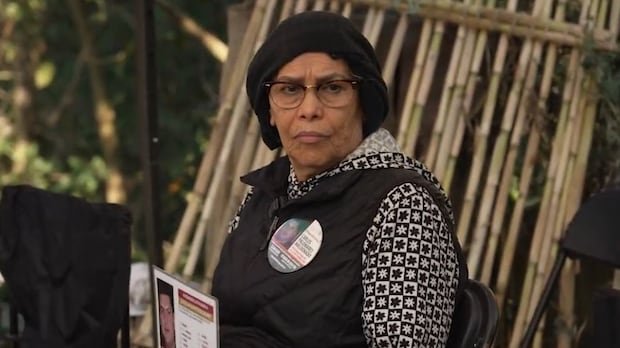
Another heart-wrenching account comes from Ana María Maldonado, who has been relentlessly searching for her son, Carlos Palomares Maldonado, missing since 2010. With hope in her heart, she believes her son might be among those in the common graves at Panteón Civil de Dolores, expressing a strong desire to uncover the truth about his disappearance.
Carlos Ramírez, whose brother Ángel Gerardo Ramírez Chaufón vanished in 2018 under suspicious circumstances, remains uncertain about finding closure through the exhumation process. His brother’s case, linked to organized crime activities, remains unresolved, leaving Ramírez and others in a state of perpetual uncertainty and anguish.
The ongoing crisis of disappearances in Mexico has left families in turmoil, with over 130,000 individuals currently listed as missing or disappeared nationwide. Mexico City alone accounts for more than 7,000 missing persons cases, prompting concerted efforts by authorities to address the issue. The city’s administration has set up a dedicated committee to tackle the crisis, reflecting a growing recognition of the magnitude of the problem.
As families wait for answers and closure, the exhumation project in Mexico City stands as a somber reminder of the unresolved fates of countless individuals, underscoring the urgent need for justice and accountability.