

Warren Shepell encountered a disconcerting situation during his recent trip from Cleveland back to Toronto. As he was about to board the flight, two uniformed officers approached him on the boarding ramp and one of them took his picture. Shepell, a well-known Canadian psychologist, expressed feeling shocked and ambushed by the incident, stating that the officers provided no explanation for capturing his photo.
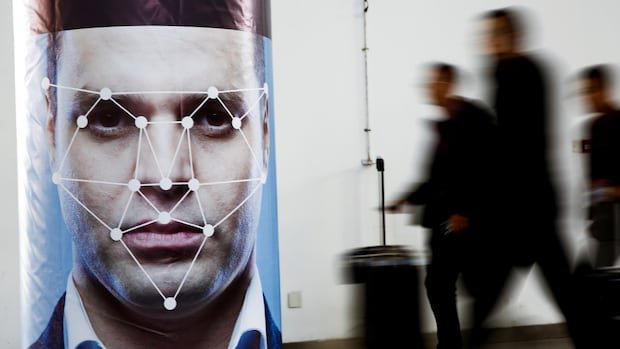
This practice of photographing Canadian travelers when entering and exiting the United States is part of an initiative to enhance security measures. U.S. Customs and Border Protection (CBP) has been utilizing facial biometrics for nearly a decade to verify the identities of international passengers arriving at U.S. airports. The agency is now expanding this program to collect images of departing passengers at all international U.S. airports and plans to implement similar procedures at sea ports and land borders in the coming years.
CBP aims to have facial biometric technology fully operational at land borders by next year, with complete implementation at sea ports and airports expected within three to five years. A new rule by the U.S. Department of Homeland Security mandates non-U.S. citizens, including Canadians, to participate in the facial biometrics program starting December 26, despite the program’s gradual rollout.
Concerns have been raised regarding privacy implications of facial biometrics technology. While CBP assures that photos of U.S. citizens are retained for a limited time and offers an opt-out option, privacy advocates fear potential misuse of data. The lack of federal laws regulating facial biometrics in the U.S. raises apprehensions about data security and potential exploitation.
Despite assurances from CBP about privacy safeguards and the program’s intended purpose of streamlining document checks, individuals like Warren Shepell remain wary of the system and advocate strongly for privacy protection. The expansion of facial biometrics by CBP has sparked debate about its impact on travel patterns and tourism, with some experts predicting a negative effect on Canadian tourism to the United States.
The ongoing debate surrounding privacy concerns and the implications of facial biometrics technology for travelers will continue as CBP moves forward with its expansion plans, emphasizing the need for transparency and clear communication with passengers regarding the collection and use of their biometric data.