
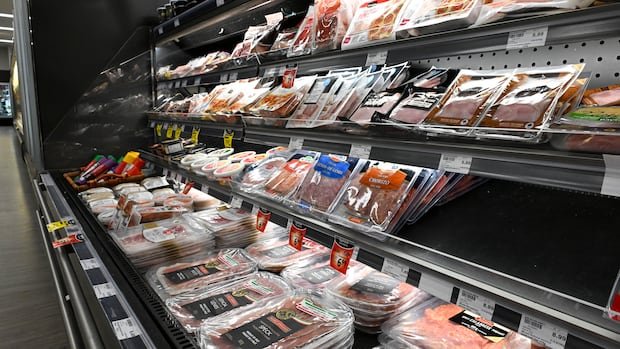

In September, the Conservatives are criticizing the federal Liberals as food prices rise, ahead of the minority government’s budget presentation requiring support from another party. Statistics Canada reported a four percent increase in grocery costs compared to the same period last year, following a 3.5 percent surge in August, pushing the overall inflation rate up to 2.4 percent.
Although food inflation has decreased from its peak during the pandemic, it has been steadily climbing since April due to shortages of beef and coffee, along with higher prices for fresh vegetables and sugary items. Conservative Leader Pierre Poilievre raised concerns about the rapid rise in grocery prices, urging the Prime Minister to reduce taxes and spending to alleviate the financial burden on Canadians.
Finance Minister François-Philippe hinted at positive developments in the upcoming budget release on Nov. 4, addressing the Conservatives’ calls for an “affordability agenda” to tackle the cost of living concerns. Prime Minister Mark Carney’s government faces pressure to fulfill promises made regarding living expenses, as highlighted by Poilievre’s claims of “hidden taxes on food” contributing to escalating costs.
While Poilievre pointed to various factors like industrial carbon taxes and regulations, global influences such as climate change impacting food prices globally may play a significant role in Canada’s inflation rates. Minister Champagne emphasized the government’s efforts to lower the cost of living, citing initiatives like the grocery code of conduct and the national school food program as actions taken to address the issue.
Government House Leader Steven Mackinnon dismissed Poilievre’s demands for an affordable budget as “ludicrous,” expressing concerns about the lack of serious engagement from opposition parties in the ongoing debate. With the budget deadline approaching, Mackinnon emphasized the need for certainty, stability, and a comprehensive plan to address the critical economic challenges faced by Canadians.