
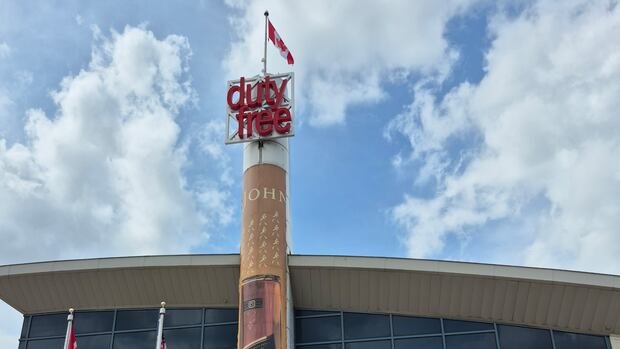

Duty free shop owners are feeling the negative impacts of the U.S. trade war, as businesses at two crossings in southwestern Ontario are witnessing a significant decline in sales, with a drop of around 30% compared to the previous year.
One of the affected shops is situated at the Windsor-Detroit tunnel. The owner expressed concerns about the future, especially as they approach the slower period of January. Abe Taqtaq, the shop owner, mentioned the possibility of making tough decisions if the situation persists, emphasizing the challenges faced by family businesses.
Despite the decline in business, Taqtaq remains hopeful for a turnaround but acknowledges the reluctance of people to travel to the U.S. He urged potential cross-border travelers to consider visiting their shop.
In parallel, there has been a noticeable decrease in U.S.-bound passenger vehicle traffic from Canada. Statistics Canada reported a 30.2% drop in return road trips to the U.S. in October, continuing a year-over-year decline since March. Data from U.S. Customs and Border Protection revealed a 5.9% decrease in passenger vehicle traffic from Windsor to Detroit and a 27% drop from Point Edward (Sarnia) to Port Huron.
Tania Lee, co-owner of Blue Water Duty Free in Sarnia, echoed similar challenges faced by duty free shops nationwide. She highlighted the impact on businesses, citing closures and financial struggles experienced by various stores across different provinces. The Frontier Duty Free Association, led by Lee, is advocating for government support through repayable loans and relief from regulatory burdens that hinder competitiveness.
The association’s plea for assistance aims to address the hardships faced by duty free shops, including compliance with domestic labelling requirements despite predominantly catering to the U.S. market. Lee emphasized the urgency of the situation and the determination to seek government aid to sustain these businesses in need.