
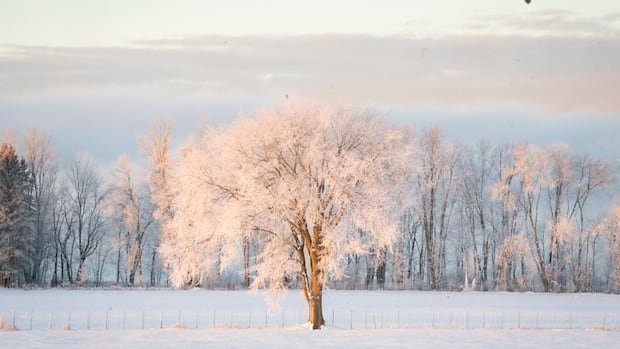

In the early days of 2026, in the midst of ongoing events, a new concern arises – the issue of trees exploding due to extreme cold temperatures in Canada and the northern United States. A polar vortex disruption has led to a deep freeze, with temperatures dropping below -20 degrees Celsius, and even reaching below -40 degrees Celsius with wind chill in certain areas. While there have been claims circulating on social media about trees exploding in several states like Minnesota, the risk is not as drastic as portrayed.
The sudden and severe cold can cause frost cracks in trees, particularly in thin-barked trees found in regions like the Prairies. When the temperature rapidly drops, the water and sap inside the tree freeze quickly, leading to vertical splits in the trunk that can sound like explosions. This phenomenon, known as frost cracking, can result in loud noises and even branches falling off due to the pressure caused by the rapid expansion of frozen water.
Although frost cracks can create scars or “frost ribs” on the tree trunk, they usually heal when the temperature rises in the summer. Certain tree species, such as hardwood trees like elm, poplar, maple, oak, ash, and fruit-bearing trees, are more susceptible to frost cracks, especially when they lose their leaves in winter. Non-native tree species are at a higher risk of cracking during sudden cold spells, whereas native trees are more resilient to freezing temperatures.
Apart from exploding trees, other winter phenomena like thundersnow and frost quakes can occur during extreme cold weather conditions. Frost quakes, or cryoseisms, happen when underground water freezes rapidly, causing pressure that leads to cracks in the ground. Thundersnow, a rare occurrence, results from warm moist air meeting cooler air higher up in the atmosphere during a winter storm, creating thunder and lightning effects amplified by falling snow.
While the risk of trees actually exploding due to cold temperatures is minimal, understanding how frost cracking occurs and the potential impacts on trees can help mitigate any damage. It’s crucial to monitor trees for signs of frost cracks and consult a certified arborist if necessary to prevent any long-term harm.