
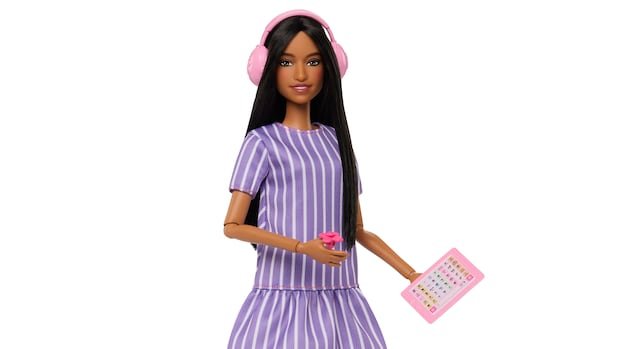

Toy manufacturer Mattel Inc. is set to launch its first-ever autistic Barbie doll in an effort to promote inclusivity and representation. Developed in collaboration with the Autistic Self Advocacy Network (ASAN), the doll aims to provide autistic children with a sense of recognition while also sending a message of acceptance to non-autistic individuals.
The unique features of the doll were carefully selected over an 18-month period with input from advocates. For instance, the Barbie’s eyes are designed to subtly shift to the side, representing the tendency of some autistic individuals to avoid direct eye contact. Additionally, the doll features articulated elbows and wrists to acknowledge common stimming behaviors and comes with a fidget spinner to cater to sensory needs.
In the decision-making process, the development team considered various aspects such as the doll’s attire. Opting for a loose-fitting outfit to accommodate sensory sensitivities, the doll also sports flat shoes to assist autistic individuals who struggle with spatial awareness. Furthermore, the inclusion of a tablet aims to represent non-speaking autistic individuals, while the Barbie’s depiction as a woman of color addresses the underrepresentation of autistic women and people of color.
According to Deepa Singal, scientific director of the Autism Alliance of Canada, the under-diagnosis of girls with autism is a significant issue that broader representation, like that offered by the autistic Barbie, can help address. Singal emphasizes the importance of normalizing diverse ways of expressing needs and emotions, highlighting the significance of inclusive communication practices.
The introduction of the autistic Barbie aligns with Mattel’s Fashionistas line, which features dolls representing various disabilities and conditions, including type 1 diabetes, Down syndrome, and blindness. This initiative reflects Mattel’s commitment to reflecting the diversity of the world and promoting inclusivity through their dolls.
Jamie Cygielman, Mattel’s global head of dolls, expressed pride in introducing the first autistic Barbie as part of the company’s ongoing efforts to mirror the world children see and imagine. The project was inspired by the personal experiences of Noor Pervez, ASAN’s community engagement manager, who underscored the importance of fostering empathy and understanding through toys that reflect the diverse realities of individuals, including those with autism.