
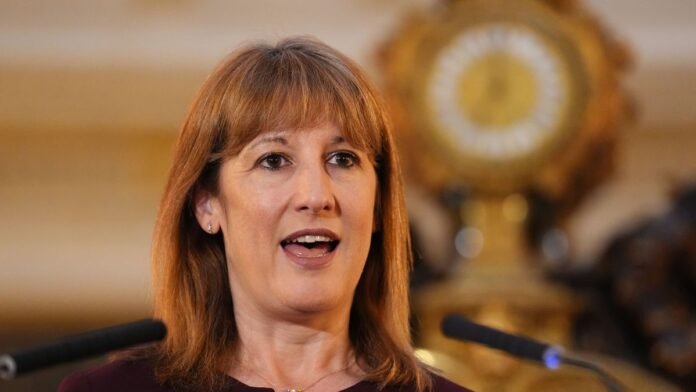

Rachel Reeves is being urged to focus on taxing the wealthiest individuals in the upcoming Budget as recent analysis reveals a significant widening of the wealth gap between the richest and poorest segments of society. Researchers have highlighted the escalating wealth inequality as a critical issue leading to potential risks such as social unrest, failure to address environmental challenges, economic stagnation, and even the erosion of democratic values.
According to a new report by the Fairness Foundation, the absolute wealth disparity between the top and bottom 10% of the UK population surged by 54% from 2011 to 2021, mainly driven by the increasing value of assets like real estate. The report also indicates that inheritances and gifts have doubled over the past two decades to £100 billion, with projections suggesting another doubling by 2040. It was noted that the wealthiest 10% of families consistently hold more than half of the total wealth, while the poorest 10% of households possess a combined net worth of £15,400 or less, including various assets like work pensions, vehicles, and household items.
Will Snell from the Fairness Foundation emphasized the necessity for decisive action to address the growing wealth inequality, stating that failure to intervene effectively would lead to a more divided, unproductive, and disconnected society. The call for bold measures includes implementing effective wealth taxes to redistribute resources across the economy and rectify the damaging levels of wealth disparity prevalent in the current economic landscape.
As the Chancellor contemplates potential tax increases and spending cuts in the forthcoming Budget to mitigate future economic uncertainties, the Institute for Fiscal Studies estimates a need to fill a £22 billion deficit. Rachel Reeves has hinted at targeting the wealthiest individuals in the Budget, emphasizing the concept of fair contribution from those with greater financial capacity. However, there is resistance to the idea of a dedicated wealth tax.
While discussing economic strategies during a visit to Saudi Arabia, Rachel Reeves highlighted the significance of growth in the Budget narrative, underscoring the importance of utilizing growth as a fiscal policy tool. She emphasized the need for prudent fiscal management through a balance of tax policies and spending decisions to ensure resilience against potential shocks and adherence to fiscal regulations.
The Labour party had pledged in its manifesto to shield working individuals from increases in national insurance, VAT, and income tax. Speculation is rife on whether Rachel Reeves might face pressure to revise this key election promise, especially considering the ongoing debate around potential income tax adjustments. Despite this, she reiterated her commitment to supporting the working population by striving to maintain minimal tax burdens.
Readers can opt for the Daily Mirror as their ‘Preferred Source’ on Google News for convenient access to news content of interest.