
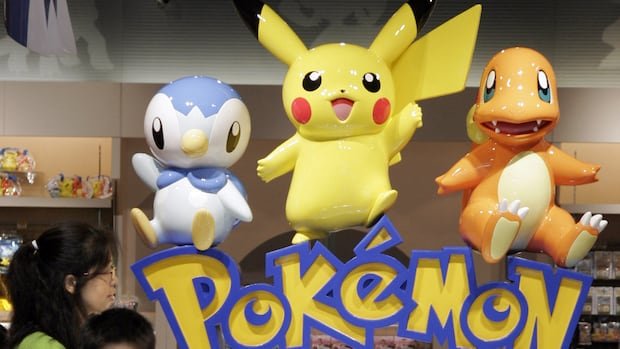

The evolution of Pokemon from a childhood passion to a global soft power phenomenon is a fascinating journey. Satoshi Tajiri’s love for bugs and arcade games led to the creation of one of the world’s most iconic franchises.
Matt Alt, a Tokyo-based writer, describes Pokemon as more than just a game—it has become a way of life for many. This year marks the 30th anniversary of Pokemon, which was celebrated with a star-studded Super Bowl ad featuring celebrities like Lady Gaga and Trevor Noah discussing their favorite Pokemon.
Since its inception in 1996, Pokemon has emerged as the highest-grossing media franchise, surpassing major IPs such as Star Wars and Harry Potter, generating over $100 billion in revenue. Its success is attributed to a variety of products including video games, trading cards, and an anime series.
Tajiri’s vision for the Nintendo Game Boy game, featuring 150 creatures to catch and battle, became a reality in 1996 with the release of Pokemon Red and Green in Japan. The franchise quickly expanded to North America, captivating audiences with its fully-formed media ecosystem.
Pokemon’s impact goes beyond entertainment; it has become a form of soft power for Japan, influencing global culture. Shaoyu Yuan, an international relations scholar, explains that Pokemon’s cultural influence has subtly shaped perceptions and built connections worldwide.
Through video games, anime, and other products, Japan’s soft power has transcended borders, creating a shared cultural experience. Despite challenges like changing consumer demographics, Pokemon has continued to evolve and engage audiences of all ages, cementing its status as a global cultural phenomenon.