

The Trump administration declared on Thursday a new initiative for oil drilling off the coasts of California and Florida, marking the first such move in many years. This venture, aimed at expanding U.S. oil production, has raised concerns among critics who fear potential harm to coastal communities and ecosystems. The oil industry has been advocating for access to additional offshore areas, particularly in Southern California and off the Florida coast, as a means to enhance U.S. energy security and employment opportunities.
Drilling in federal waters in the eastern Gulf of Mexico, encompassing areas like offshore Florida and part of offshore Alabama, has been prohibited by the U.S. government since 1995 due to fears of oil spills. While California currently hosts some offshore oil rigs, there has been no new leasing in federal waters since the mid-1980s.
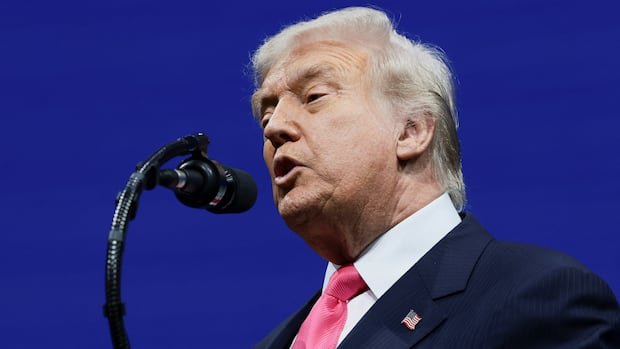
Under the banner of ‘energy dominance,’ President Trump, in his second term, has been actively reversing the climate change strategies of his predecessor, Joe Biden, in favor of bolstering U.S. energy production, particularly in fossil fuels like oil, coal, and natural gas. Trump’s administration has prioritized driving up energy production levels, while sidelining renewable energy sources such as offshore wind and cutting funding for clean energy projects nationwide.
The proposed offshore drilling plan has encountered strong opposition from various quarters, notably California Governor Gavin Newsom, who has vehemently opposed the idea citing risks to communities and coastal economies. Similarly, bipartisan resistance is expected in Florida, where tourism and pristine beaches are vital components of the state’s economy.
The administration’s plan entails six offshore lease sales off the California coast and new drilling locations off Florida’s coast, situated at least 160 kilometers away from the state’s shoreline. Additionally, the proposal includes more than 20 lease sales off Alaska’s coast, with a focus on a newly designated area in the High Arctic, over 320 kilometers offshore in the Arctic Ocean.
Interior Secretary Doug Burgum, announcing the sales, emphasized that it would take several years for the oil extracted from these parcels to enter the market. The American Petroleum Institute hailed the plan as a significant step toward unlocking vast offshore resources, pointing to California’s existing oil infrastructure as supportive of increased production.
Despite the administration’s push for expanded drilling, opposition has been fierce from figures like U.S. Senator Rick Scott of Florida, who had successfully lobbied against a similar offshore plan in 2018 during his tenure as governor. Governor Newsom of California has also expressed staunch disapproval, citing the potential risks and economic destabilization that offshore drilling could bring to coastal regions.
Democratic lawmakers, including California senators and House representatives, have voiced concerns over the plan, highlighting the grave consequences of oil spills on coastal economies, ecosystems, and public health. They warned that opening vast coastlines to new drilling activities could lead to irreversible environmental damage, economic losses, and threats to national security.