
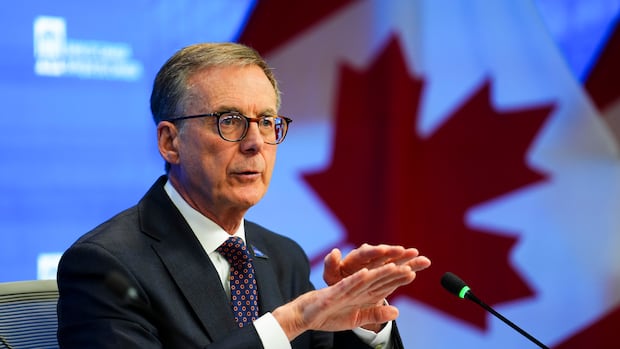

On Wednesday, the Bank of Canada reduced interest rates to 2.25 percent, while warning that monetary policy cannot remedy the structural economic harm inflicted by the U.S. trade conflict.
The central bank indicated that the 25-basis-point reduction was influenced by ongoing weakness in the Canadian economy, with inflation anticipated to remain near the bank’s target of two percent.
“For several months, we’ve emphasized that monetary policy cannot reverse the damage that tariffs have caused,” stated Bank of Canada governor Tiff Macklem during a press briefing in Ottawa.
The economy has been burdened by increased costs and reduced earnings due to the U.S. trade war. Although the central bank’s policy can assist the economy in adapting to these conditions, “it cannot revert the economy to its pre-tariff trajectory,” he remarked.
Macklem also noted that if inflation aligns with the bank’s current forecasts — remaining around the two percent mark — the central bank will likely maintain rates at this level.
However, he added, “we are ready to respond” if the economic outlook shifts.
Along with its interest rate announcement on Wednesday, the central bank published its Monetary Policy Report, highlighting concerns that the trade dispute is “fundamentally reshaping” Canada’s economy.
Despite the Bank of Canada’s efforts to lower interest rates to stimulate economic demand, challenges remain, according to Claire Fan, a senior economist at RBC.
If rate reductions succeed in boosting demand, there is a potential risk that demand could surpass the capacity for production, “leading to inflation,” she elaborated.
Anticipated weak growth
The bank detailed several economic factors that contributed to its decision to lower interest rates.
To begin with, Canada’s economy contracted in the second quarter, as exports fell and businesses reduced investments amid trade uncertainties.
The labor market remains weak, with hiring slowing down and significant job losses occurring in sectors affected by the U.S. trade war.
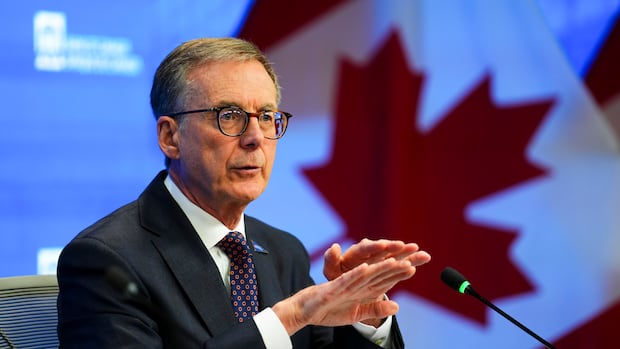
Tiff Macklem, governor of the Bank of Canada, indicates that monetary policy has a ‘somewhat limited’ role in the current economic landscape due to its inability to target sectors hit by tariffs, and the ongoing Canada-U.S. trade tensions differ from a typical cyclical downturn.
Given that the trade dispute is having “severe effects” on sectors such as automobiles, steel, aluminum, and lumber, the bank predicts weak GDP growth for the latter half of the year.
In response to an inquiry about the bank’s outlook on Canada avoiding a recession in 2025, Macklem stated that the central bank still anticipates modest growth.
However, he stressed that regardless of whether the economy experiences a slight improvement or several quarters of negative growth, Canadians are “not going to feel very good” in either case.
Nonetheless, consumer spending has been growing at a “healthy pace” and is projected to continue to rise through the end of the year, along with real estate investments and government expenditures, as per the bank’s assessment.
Officials at the bank expect inflation to remain near its target in the upcoming months, with inflationary pressures anticipated to ease.
While sluggish economic growth is keeping price rises in check, tariff-induced costs for businesses are exerting upward pressure on inflation, and the bank believes these two factors will counterbalance each other.
The bank anticipates that inflation will remain near its two percent target in the forthcoming months. (CBC)
Rates deemed ‘about right’
In its announcement, the bank indicated that if inflation and economic growth progress “broadly in line” with its current forecasts, it believes the existing rate is “about the right level” to ensure inflation remains on target while navigating through a transformative period for the economy.
Should the outlook alter, the bank might reconsider its stance. When asked what kind of significant change would prompt such a response, Macklem humorously replied, “I’ll let you know when we see one.”
“It’s not just one month of data that indicates a shift,” he added. “You need to observe a collection of evidence suggesting you’re falling short of that forecast … sufficient enough to actually alter your future outlook.”
Officials from the central bank appear to think that they have sufficiently lowered rates to encourage economic growth for now, according to Robert Kavcic, a senior economist at the Bank of Montreal.
“From this point forward, in their view, it’s largely up to fiscal policymakers to take the lead and provide support to sectors of the economy affected by the trade war,” Kavcic noted.
Regarding the direct repercussions of the trade conflict, including job losses, “further rate cuts aren’t likely to significantly alleviate that situation in the immediate term,” he added.
“Therefore, fiscal policy is expected to step in with perhaps direct and targeted assistance.”
Kavcic believes that persistent weakness in the labor market could open the door for the central bank to implement another 25 basis point cut in early 2026.
“But for the very near future, they’re not at that point,” the economist added.
The Bank of Canada is set to announce its next interest rate decision on December 10.
Tag: rewrite-pending