


A developer, previously at risk of incurring fines exceeding $30 million from Ontario’s Home Construction Regulatory Authority (HCRA), has had all allegations against it dismissed.
In the largest case ever addressed by the HCRA’s disciplinary committee, Briarwood Development Group faced accusations of breaching the province’s ethical guidelines for home builders by pressuring 142 buyers to pay more for pre-construction homes, despite having already made deposits and signed contracts, ultimately extracting over $18 million.
All allegations against Briarwood were dismissed or withdrawn last month after the HCRA could not substantiate its claims with sufficient evidence.
Briarwood’s legal team is celebrating this outcome, asserting that the developer conducted its dealings with buyers in an ethical and transparent manner.
Conversely, numerous buyers and advocates argue that this result indicates the HCRA is failing in its regulatory duties and are urging the province to intervene. Some buyers who rejected Briarwood’s price hikes still find themselves in a state of uncertainty, years later, without their homes.
“This sets a dreadful precedent for future buyers,” remarked Toronto real estate attorney Bob Aaron, who has represented clients who purchased homes from Briarwood. “Buyers need assurance that the agreements they enter into will be honored.”
Allegations date back to 2022
Briarwood was under scrutiny for pre-construction projects in four Ontario locations: Stayner, Angus, Quinte West, and Georgina.
CBC initially reported in 2022 regarding buyers who had already entered agreements with Briarwood but were later confronted with demands for additional funds. The buyers claimed they were given two choices: pay the increased amounts or terminate their sales agreements entirely.
Briarwood attributed the price hikes to supply chain disruptions and escalating costs during the COVID-19 pandemic.
Following numerous complaints, the HCRA alleged that 142 buyers were coerced into paying more, which it claimed violated ethical standards set forth in the New Homes Construction Licensing Act, requiring builders to “treat every person the licensee deals with fairly, honestly and with integrity.”
The HCRA presented its case to its disciplinary committee, which operates independently from the agency’s staff.
If the committee had found Briarwood guilty of breaching ethical standards, the developer could have been mandated to reimburse the more than $18 million to the affected buyers and potentially face additional fines of up to $100,000 for each count, amounting to over $32 million in total.

Real estate lawyer Bob Aaron expressed disappointment regarding the case’s outcome and the implications it holds for other developers and home buyers. (Craig Chivers/CBC)
Both buyers who paid the additional charges and those who refused were anxiously awaiting the decision.
“I expected the regulatory authority to compel them to adhere to the contract because a contract is binding, and the terms should be respected by both parties,” stated Jagat Patel, who along with his wife, declined to pay an extra $175,000 for a house in Stayner that remains incomplete six years later.
HCRA failed to provide evidence
Instead, Patel feels disheartened and uncertain about what steps to take next.
During the hearings, the HCRA’s case unraveled. Its expert witness, intended to discuss the impact of the COVID-19 pandemic on developers, was disqualified after Briarwood’s attorneys successfully argued that he lacked the relevant expertise in residential construction.
The HCRA provided the committee with evidence concerning 14 properties, including testimonies from six buyers of five of those properties. However, it failed to present direct evidence concerning the remaining 128 properties.
When questioned by Briarwood’s attorneys, HCRA’s acting manager of inspections, Justin Vetro, admitted that he had not directly interviewed many specific buyers to collect evidence. He also stated he was unaware if the regulator had approached any of the other 128 purchasers.
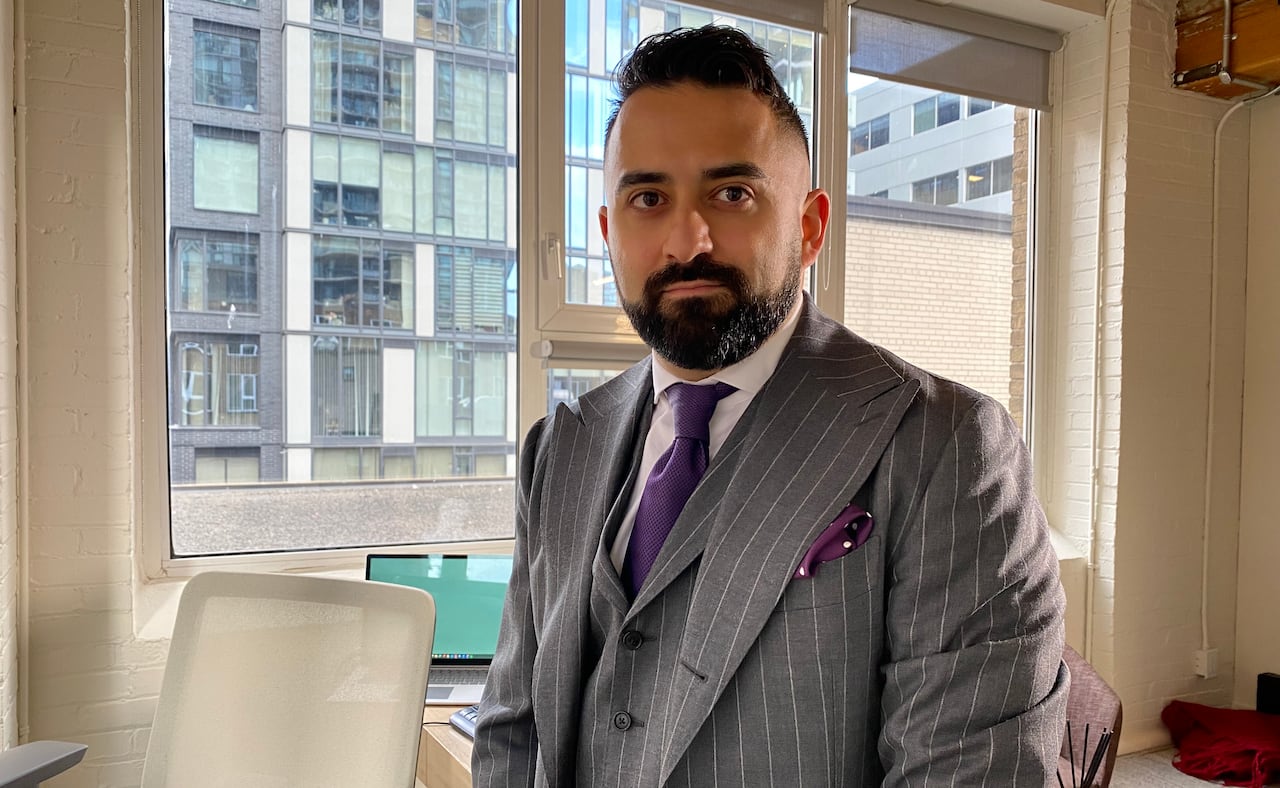
Attorney Justin Nasseri asserts that his client, Briarwood Development Group, acted in good faith while negotiating with buyers. (Sarah MacMillan/CBC)
Justin Nasseri, one of Briarwood’s attorneys, stated to CBC News that buyers had the “time and space” to make their decisions and willingly signed the amendments. He also contended that his client was being “proactive” by being transparent about its financial difficulties and striving to reach mutually beneficial agreements. He expressed that the potential penalties could have bankrupted his client and been detrimental to the developments.
“It was surprising to see them [HCRA] adopt such an aggressive stance when they lacked witnesses testifying to any alleged misconduct for most of the allegations,” Nasseri commented.
Briarwood’s legal team filed a non-suit motion for 128 counts, citing insufficient evidence, which the committee accepted, leading to the dismissal of those counts.
The remaining 14 counts were subsequently withdrawn by the HCRA as part of a resolution. Neither the HCRA nor Nasseri disclosed the details of the resolution.
Regulator defends investigation
Upon learning of the outcome, Aaron, the real estate lawyer, remarked that he believes the HCRA “dropped the ball significantly” by failing to collect and prepare adequate evidence.
HCRA declined CBC Toronto’s request for an interview. When asked why staff did not gather evidence from the majority of buyers, communications director Tess Lin stated in an email, “we followed the process diligently and presented the facts available to us.”
Lin described the outcome as “disappointing” but asserted that the regulator “will apply lessons learned from this case to enhance our approach to future referrals.”
MPP Tom Rakocevic, the NDP critic for public and business service delivery and procurement, expressed that he was “shocked and disappointed” by the decision and voiced concerns that the regulator is not sufficiently safeguarding home buyers.
“Perhaps they need to change team members and staff to effectively pursue this matter. How is it possible that they lack sufficient evidence?” Rakocevic questioned.
Ontario Premier Doug Ford has previously pledged to take action against home builders who raise prices for pre-construction buyers. CBC Toronto reached out to his office to inquire whether he is satisfied with the HCRA’s performance in protecting home buyers. Ford’s office did not respond but forwarded the inquiry to the Ministry of Public and Business Service Delivery and Procurement. In an email, a spokesperson highlighted that the HCRA operates independently from the government and directed questions back to the regulator.
Litigation last option for buyers
Jagat Patel, the home buyer who refused the additional payment, is uncertain whether he will ever receive the home he envisioned in Stayner. He and his wife were eager to leave their Brampton residence for a more affordable home and community, seeking a peaceful lifestyle while supporting their children’s education.
Patel is among the buyers who lodged complaints with the HCRA. Now that the disciplinary proceedings have concluded, the regulator has stated that no further actions can be taken.
Patel mentioned that Briarwood has not responded to his recent emails.
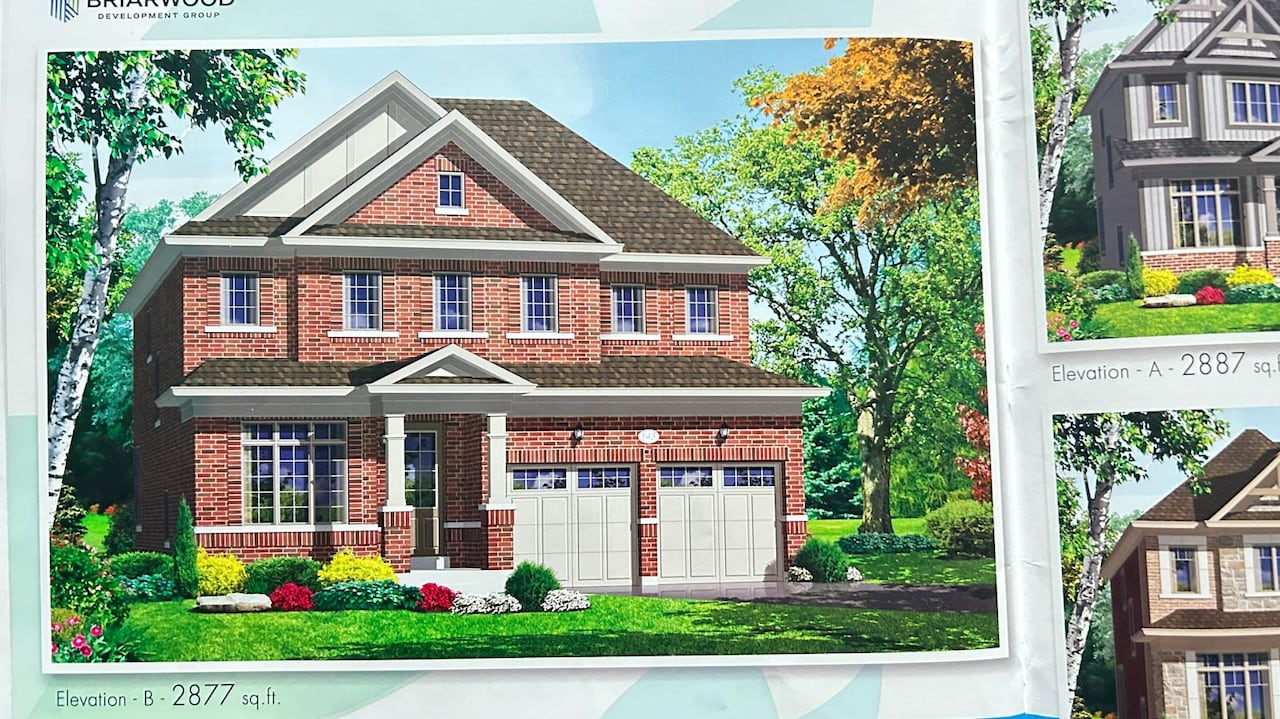
In 2019, Jagat and Vidhi Patel signed a purchase agreement for a pre-construction home in Stayner, Ontario. They still do not have the home. (Submitted by Jagat and Vidhi Patel)
Nasseri stated he could not comment on ongoing negotiations between Briarwood and individual buyers.
Nasseri explained that buyers always have a third option if they reject both the price increase and the choice to sign an agreement to terminate the contract.
“You can insist on your contract,” Nasseri asserted. “You can litigate.”
Patel indicated that hiring an attorney may be his next course of action, although he is uncertain if they will be able to afford one.