
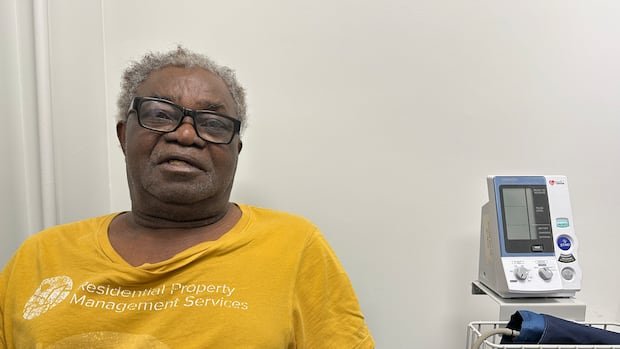

Cheryl Prescod, a health-care administrator for a decade, has observed the challenges faced by Black Canadians within the healthcare system’s generic approach. As the executive director of the Black Creek Community Health Centre in Toronto’s Jane and Finch area, Prescod caters to a diverse clientele, including a significant number of Black and racialized individuals. These individuals often struggle to access healthcare services that are culturally sensitive and safe.
Certain diseases, such as Type 2 diabetes, hypertension, and triple-negative breast cancer, disproportionately affect Black individuals. To address this disparity, a collaborative effort involving researchers from Ontario, Quebec, and Nova Scotia has launched the genCARE project. This initiative aims to analyze the genomes of over 10,000 Black Canadians with these illnesses, as well as those without underlying medical conditions. Funded by Genome Canada, the project leaders hope that the insights gained will lead to targeted treatments and preventive care, promoting equitable and anti-racist health outcomes.
Prescod emphasized the importance of including Black populations in genetic research, citing that less than five percent of global genetic studies involve Black individuals. She anticipates that the genCARE research outcomes will enhance the management of health conditions for her patients at Black Creek.
Dr. Upton Allen, the administrative lead of the genCARE project, envisions incorporating patients’ genetic profiles and other factors into diagnosis and treatment, known as precision medicine. This approach aims to better understand disease susceptibility variations and tailor treatments accordingly.
Overcoming historical discrimination and mistrust towards medical institutions poses a challenge for researchers recruiting participants for the genCARE project. Dr. Allen highlighted the need for thousands of participants and emphasized the project’s unique focus on Black communities in Canada.
To address biases and misconceptions, health professionals like Ivan Ho, a diabetes educator at the Black Creek Community Health Centre, aim to educate patients about the complex factors influencing health outcomes beyond lifestyle choices. The genCARE project seeks to fill existing gaps in genomic databases, particularly concerning racialized populations, to enhance disease prediction and treatment effectiveness.
Building trust with participants is crucial for the project’s success. Anonymizing DNA data, securely storing it in Canada, and transparently sharing research findings with community members are key strategies outlined by researchers. Collaborating with community ambassadors during the COVID-19 pandemic helped establish trust and promote participation among residents in the clinic’s vicinity.
The genCARE project plans to recruit participants from community health centers, doctors’ offices, and hospitals, with future phases expanding to include children. While immediate benefits for participants may be limited, Prescod envisions a brighter future for their descendants through the project’s outcomes, emphasizing the significance of inclusive healthcare research initiatives.