

Two right-leaning contenders were in a close race for the top spot in the Honduran presidential election, with approximately 55% of polling stations reporting initial results on Monday. The election followed U.S. President Donald Trump’s involvement in endorsing a candidate and announcing a pardon for a former president.
According to the National Electoral Council, Nasry (Tito) Asfura of the National Party led with 40% of the early vote count, closely followed by Salvador Nasralla of the conservative Liberal Party with around 39.78%. Rixi Moncada of the democratic socialist LIBRE Party trailed behind with 19.49%.
Both Asfura and Nasralla refrained from claiming victory, citing the early stage of the vote count. Despite initial enthusiasm at their campaign headquarters, Tegucigalpa experienced a calm night as the vote tally progressed slowly.
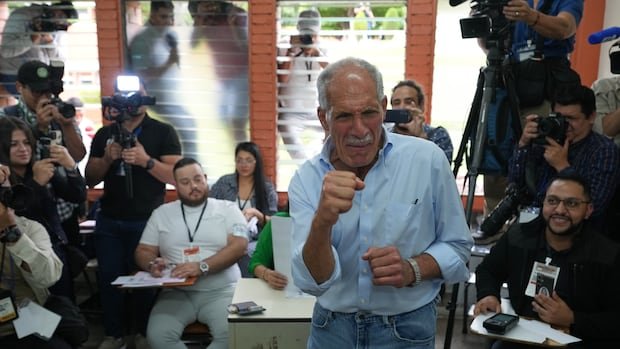
Asfura, a 67-year-old former mayor of Tegucigalpa and a recipient of Trump’s endorsement, focused on his successful infrastructure projects during his campaign. Meanwhile, Nasralla, a 72-year-old sports commentator, highlighted his extensive political experience despite running as an outsider.
Nasralla expressed optimism about the remaining votes favoring him as the preliminary results remained tight. He emphasized his independence from external influences, including Trump’s support, positioning himself as a reliable choice for the people.
Trump’s intervention in the election by endorsing Asfura and announcing the pardon of former President Juan Orlando Hernández stirred controversy. Hernández, serving a 45-year prison sentence in the U.S. for aiding drug traffickers, was pardoned by Trump, triggering backlash from critics who viewed the decision as undermining efforts against narcotrafficking.
The election outcome in Honduras faced scrutiny due to past allegations of fraud and political unrest. The race was marked by accusations of election manipulation among the leading candidates, raising concerns about the credibility of the results. International observers warned that disputes over the election outcome could lead to further instability in the country.
Amid the political tension, Honduran citizens expressed concerns about potential post-election unrest and the impact of external influences on their democratic process. Security and employment remained key issues for voters, reflecting the broader socio-economic challenges facing the nation despite recent improvements in certain indicators under the current administration.