
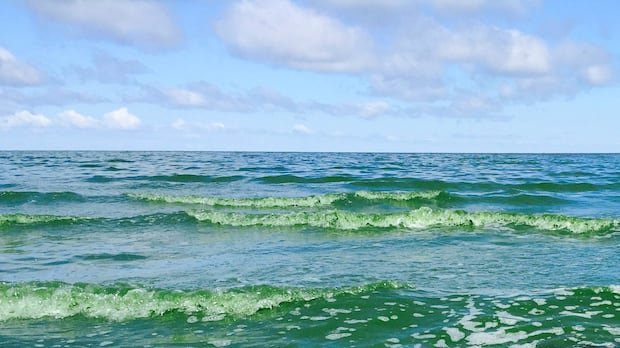

A persistent issue with zebra mussels, microplastics from wastewater, ongoing E. coli concerns, and toxic algal blooms visible from space are among the challenges facing Lake Winnipeg, troubling Manitobans. However, a lesser-known aspect of this narrative, focusing on viruses infecting microalgae, has recently gained attention, potentially offering insights into the future well-being of one of the largest freshwater basins globally as it adapts to a changing climate.
Professor Emily Chase, an internationally trained microbiologist and virologist at the University of Winnipeg, highlighted the importance of studying viruses that infect microalgae in understanding Lake Winnipeg’s ecosystem. Last summer, Chase initiated research on how viruses impact Lake Winnipeg microalgae, crucial single-celled organisms known for forming unsightly blue-green films containing harmful neurotoxins.
Although microalgae are essential in Lake Winnipeg’s food chain, concerns linger about climate change exacerbating the ecosystem imbalance. Prolonged summers and warmer waters may foster more toxic blue-green algal blooms, potentially disrupting activities like swimming, recreational fishing, and commercial fishing.
Chase emphasized the need to comprehend viruses to grasp the implications of climate change on Lake Winnipeg accurately. By analyzing virus data and microbial interactions in the lake, researchers aim to predict future scenarios and understand how the lake may evolve with intensifying weather impacts.
The impact of phosphorus and nitrogen from agricultural runoff and wastewater on toxic algal blooms in Lake Winnipeg is well-documented, contributing to its designation as the most threatened lake globally in 2013. While the influence of viruses on broader lake dynamics is less understood, researchers suspect viruses play a role in algal bloom collapses.
Drawing from her algae-virus research experience in the Mediterranean Sea, Chase returned to Canada to investigate Lake Winnipeg’s ecosystem dynamics further. She highlighted Lake Erie as a potential precursor to Lake Winnipeg’s future if climate change-induced ice loss continues, affecting prized walleye stocks and tourism opportunities.
As Lake Winnipeg faces potential ice loss due to global warming, the cycle of toxic algae blooms could intensify, leading to bloom-bust scenarios. Researchers like Scott Higgins from the International Institute of Sustainable Development see promise in Chase’s virus-algae research to prepare Manitoba for the lake’s future challenges.
Higgins emphasized that understanding virus-algae interactions amidst climate change is crucial for predicting and mitigating environmental risks in Lake Winnipeg. Chase’s research is expected to fill critical knowledge gaps in understanding the complex interplay between viruses, algae, and climate change, offering valuable insights for long-term ecosystem management.