

A jury has determined that the concert powerhouse Live Nation, along with its subsidiary Ticketmaster, maintained a damaging monopoly over major concert venues, resulting in a setback for the company in a lawsuit initiated by numerous U.S. states.
The federal jury in Manhattan took four days to reach its verdict on Wednesday in this highly publicized case, which provided fans with insight into a business that significantly influences live entertainment both in the U.S. and internationally.
“This is a significant day for antitrust law,” exclaimed a delighted Jeffrey Kessler, an attorney representing the states, as he exited the courthouse.
Previously, the judge instructed legal representatives from both sides to collaborate with each other “and the United States” to draft a joint letter outlining a timeline for motions and detailing how the remedies phase of the trial would unfold. He requested the document be submitted by late next week.
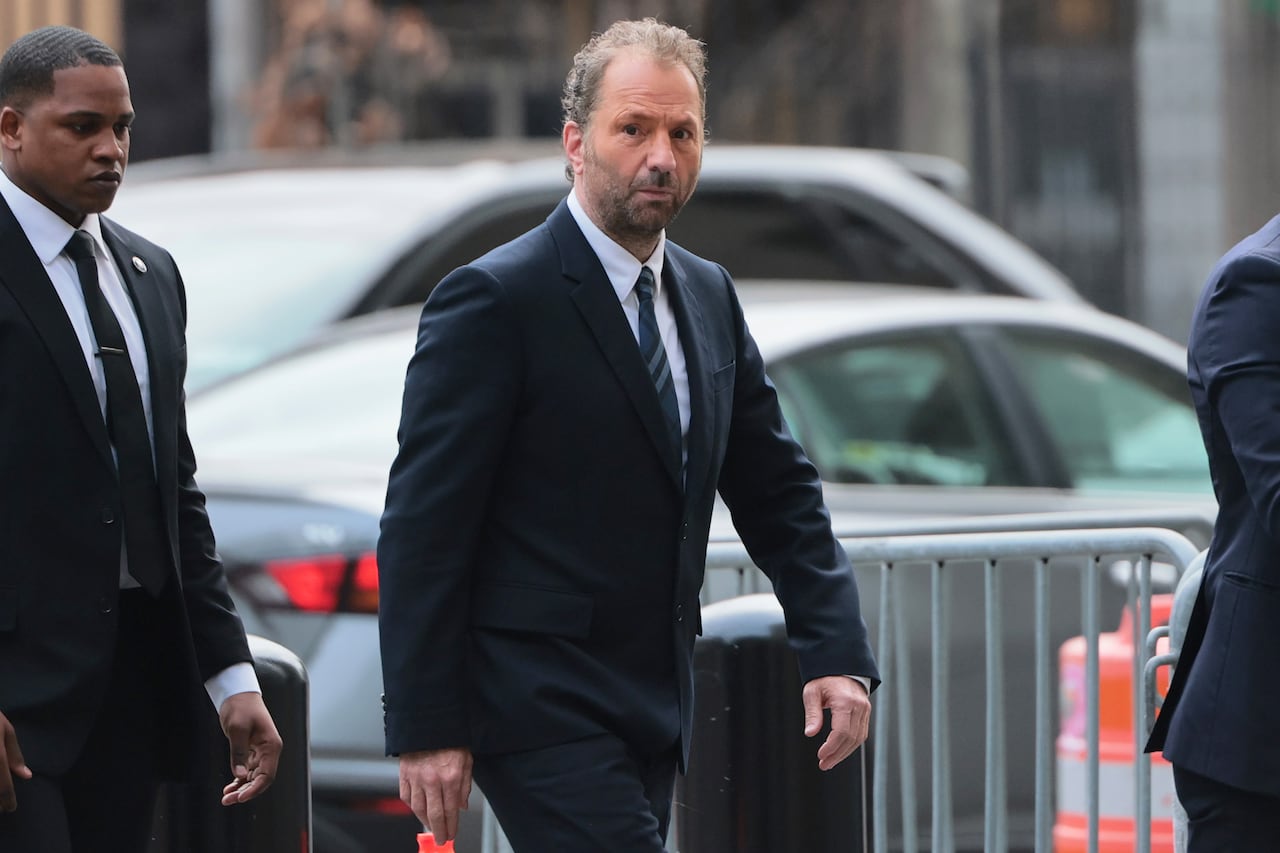
Michael Rapino, president and CEO of Live Nation Entertainment, Inc., arrives at federal court in March 2026, in New York City. (Michael M. Santiago/Getty Images)
The trial featured Live Nation’s CEO, Michael Rapino, who took the stand to address several topics, including the company’s 2022 ticketing crisis surrounding Taylor Swift, during which Ticketmaster was overwhelmed by the demand for the pop artist’s Eras Tour, leading to significant technical failures. Rapino attributed this to a cyberattack.
The proceedings also revealed internal communications from a Live Nation executive who described some ticket prices as “outrageous,” referred to customers as “so stupid,” and boasted that the company was “robbing them blind, baby.” The executive, Benjamin Baker, later expressed regret, calling the messages “very immature and unacceptable.”
-
Live Nation’s antitrust trial is underway in the U.S. What’s at stake in the case?
-
Live Nation employee mocks customers in internal messages released in court case
Live Nation Entertainment is responsible for owning, operating, managing bookings for, or holding equity stakes in numerous venues. Its subsidiary, Ticketmaster, is regarded as the largest ticket seller for live events globally.
In a statement issued later on Wednesday, Live Nation Entertainment claimed that this verdict “is not the final word on this matter.”
Highlighting motions that Live Nation plans to file to contest the ruling, as well as potential appeals if the decision is upheld, the company indicated that the final outcome will likely “not differ materially” from the terms that were agreed upon in a recent settlement with the Department of Justice.
A U.S. jury has determined that ticket giants Live Nation and Ticketmaster held an illegal monopoly on ticket sales across several U.S. states. The verdict could cost Live Nation and Ticketmaster hundreds of millions of dollars.
Live Nation called a ‘monopolistic bully’
The ruling may result in Live Nation and Ticketmaster incurring costs amounting to hundreds of millions of dollars, based solely on the $1.72 US per ticket that the jury found Ticketmaster had overcharged consumers in 22 states. The companies could also face fines. Additionally, sanctions may lead to court orders that require them to divest certain assets, including venues like amphitheaters that they own.
The civil lawsuit, originally spearheaded by the U.S. federal government, accused Live Nation of leveraging its influence to suppress competition — for instance, by preventing venues from utilizing multiple ticket vendors.
“It is time to hold them accountable,” Kessler stated during his closing remarks, labeling Live Nation a “monopolistic bully” that inflated prices for consumers.
Live Nation countered that it is not a monopoly, asserting that prices and ticketing methods are determined by artists, sports teams, and venues. A legal representative claimed that the company’s size is merely a result of excellence and hard work.
“Success is not in violation of antitrust laws in the United States,” attorney David Marriott articulated in his closing statement.
-
Here’s what it would take for concert tickets to be accessible again
-
Springsteen’s ‘dynamic’ ticket prices just the latest twist in Ticketmaster saga
Founded in 1976 and merging with Live Nation in 2010, Ticketmaster currently holds an 86 percent market share for concerts and 73 percent overall when including sports events, as noted by Kessler.
Ticketmaster has long faced criticism from fans and various artists. The grunge rock band Pearl Jam famously took on the company in the 1990s, even lodging an anti-monopoly complaint with the U.S. Department of Justice, which at the time chose not to pursue the case.
Years later, under the Biden administration, the Justice Department, in collaboration with several states, initiated the current lawsuit. Shortly into the trial, the Trump administration announced a settlement regarding its claims against Live Nation.
This settlement also followed the abrupt departure of antitrust division chief Gail Slater from the Justice Department, known for her aggressive approach to tackling major tech companies during her brief time in office.
Music industry giant Live Nation reached a settlement with the U.S. Department of Justice on Monday, concluding the antitrust trial stemming from the company’s alleged monopoly over concert venues and ticket sales.
The settlement included a cap on service fees at certain amphitheaters, along with new ticket-selling alternatives for promoters and venues — potentially allowing, but not mandating, the inclusion of Ticketmaster competitors like SeatGeek or AXS. However, the agreement does not require Live Nation to separate from Ticketmaster.
Some states agreed to the settlement, even as Judge Arun Subramanian, overseeing the trial, deemed it “entirely unacceptable” due to its swift execution and lack of prior notice to him.
More than 30 states, however, chose to continue with the trial, arguing that the federal government had not secured adequate concessions from Live Nation.
‘Historic and resounding victory’
California Attorney General Rob Bonta referred to Wednesday’s ruling as “a historic and resounding victory for artists, fans, and the venues that support them” in a statement released on the same day.
Bonta was among the attorneys general from various states — including Arizona, Ohio, Tennessee, New Jersey, Washington, and New York — who opted not to settle.
“In light of declining antitrust enforcement under the Trump Administration, this verdict highlights the lengths to which states can go to protect our citizens from large corporations that exploit their power to illegally inflate prices and cheat Americans,” he stated.
-
Live Nation, U.S. Department of Justice reach settlement in antitrust trial
-
Ontario looks to ban reselling tickets for more than original price
“This represents a landmark victory in the effort to shield New Yorkers from damaging monopolies,” remarked New York Attorney General Letitia James on X. The original lawsuit, in which James participated, aimed to dismantle the company by mandating its separation from Ticketmaster.
In a prior statement responding to the Justice Department’s settlement with Live Nation, James indicated she would not endorse the agreement as it failed to “address the monopoly central to this case.”
Judge Subramanian will ultimately determine the details regarding remedies and damages, including the possibility of a breakup. However, Live Nation is likely to strongly contest this outcome — making it potentially more challenging for the states to achieve since the DOJ has exited the case.
Following the victory, Kessler refrained from detailing what the states would pursue in the next stage of the litigation but expressed his joy over the outcome.
“It’s a significant day for consumers. This case is a testament to the 34 states and the District of Columbia that championed this case,” he declared.
Slater congratulated the coalition of attorneys general on X Wednesday, stating, “You made antitrust history today. You fought the good fight, completed the race, and maintained your faith.”