
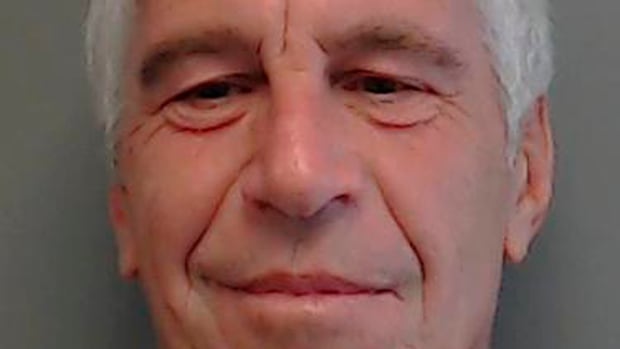

On Friday, a federal judge in the United States authorized the Justice Department to make public the transcripts from a grand jury inquiry regarding Jeffrey Epstein’s exploitation of underage girls in Florida—a case that ultimately concluded without any federal charges against the convicted sex offender.
U.S. District Judge Rodney Smith stated that a newly enacted federal law mandating the release of documents related to Epstein superseded the standard protocols concerning grand jury confidentiality.
The legislation, signed by President Donald Trump in November, requires the Justice Department, FBI, and federal prosecutors to unveil a substantial amount of material accumulated over investigations into Epstein that stretch back at least two decades.
The ruling issued on Friday pertains to the earliest known federal investigation into Epstein.
-
U.S. Congress overwhelmingly passes bill to release Epstein files after Trump’s recent about-face
-
Here’s what some of the key players have said in the Epstein-Trump controversy
Local police and FBI
In 2005, law enforcement in Palm Beach, Florida, where Epstein owned a mansion, began interviewing teenage girls who reported being employed to provide sexualized massages to the financier. The FBI later became involved in the investigation.
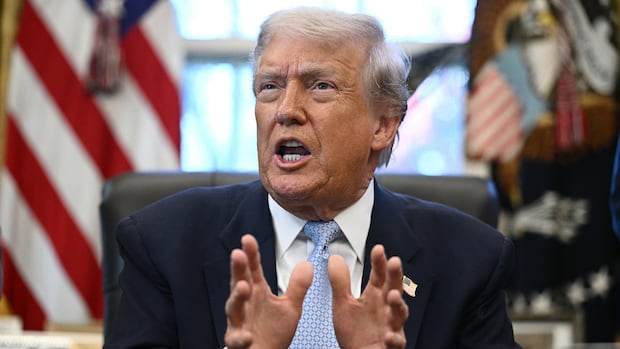
Despite a law mandating the release of the Epstein files, not all may become public. CBC’s Mike Crawley discusses the legal loophole that U.S. President Donald Trump might utilize to keep some information confidential.
In 2007, federal prosecutors in Florida prepared an indictment, but Epstein’s attorneys publicly questioned the reliability of his accusers while secretly negotiating a plea agreement that would allow him to evade significant prison time.
In 2008, Epstein entered a guilty plea to state charges of soliciting prostitution from a minor. He spent the majority of his 18-month sentence in a work release program that permitted him to work during the day at his office.
The U.S. attorney in Miami at that time, Alex Acosta, chose not to pursue federal charges against Epstein—a decision that infuriated his accusers.
-
Democrats release never-before-seen photos inside Epstein’s private island home
-
How Trump could still keep Epstein files secret
Following a detailed investigation by the Miami Herald in 2018 that scrutinized the controversial plea deal, public backlash over Epstein’s lenient sentence resulted in Acosta’s resignation as Secretary of Labor under Trump.
A Justice Department report released in 2020 stated that Acosta exhibited “poor judgment” in managing the investigation, though it concluded he did not commit professional misconduct.
Epstein died before trial
In 2019, a federal prosecutor in New York issued a sex trafficking indictment against Epstein, echoing some of the same allegations involving underage girls that were part of the previous investigation.
Shortly thereafter, Epstein died in a New York City jail cell, and his death was determined to be a suicide.
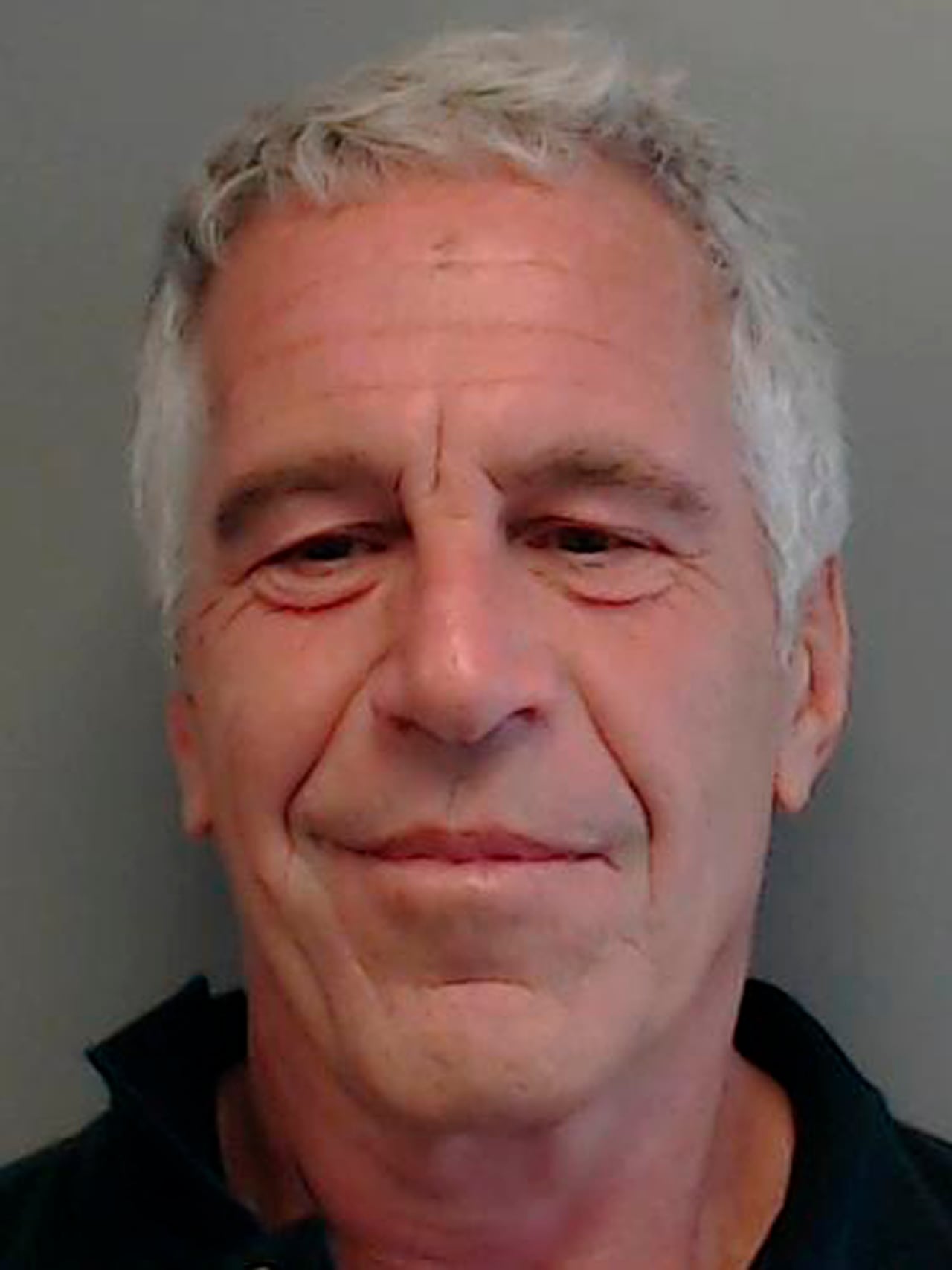
An undated photo of Jeffrey Epstein taken by the Florida Department of Law Enforcement. (Florida Department of Law Enforcement/Reuters)
Ghislaine Maxwell, Epstein’s former confidante and girlfriend, faced similar charges and was convicted and sentenced in 2022 to 20 years in prison.
The transcripts from the grand jury proceedings related to the abandoned federal case in Florida may provide further insight into why federal prosecutors opted not to proceed. Records from state grand jury proceedings have already been disclosed.
Timing of release not known
It remains unclear when the documents will be made public. The Justice Department has requested the court to unseal them to allow their release alongside other records mandated by the Epstein Files Transparency Act.
The Justice Department has not established a timeline for commencing the release of information, but the law stipulates a deadline of December 19.
Additionally, the law permits the Justice Department to withhold files that it determines could compromise an ongoing federal investigation. Files may also be retained if deemed classified or concerning national security or foreign affairs.
-
Epstein survivor ‘cautiously optimistic’ about release of case files
-
In reversal, Trump urges Republicans to vote to release Epstein files
One of the federal prosecutors involved in the Florida case did not respond to a phone inquiry on Friday, while the other declined to provide comments.
A judge had previously rejected the release of the grand jury records, referencing the standard protocols around grand jury confidentiality, but Smith indicated that the new federal legislation permitted public access.
The Justice Department has pending requests for the unsealing of grand jury records related to the sex trafficking allegations against Epstein and Maxwell in New York. The presiding judges in those cases have expressed intentions to deliver their rulings promptly.