
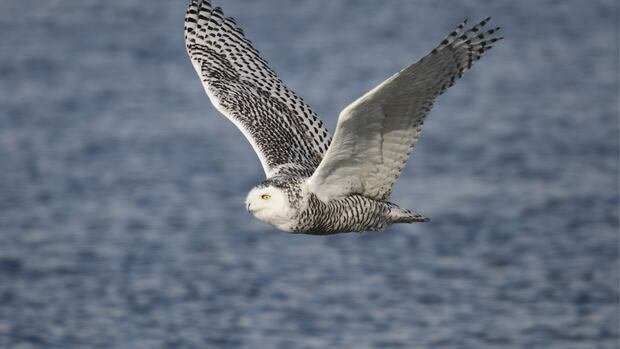

The population of snowy owls soaring over the Arctic tundra is decreasing significantly due to various threats, but the process of granting them legal protection is moving slowly. These iconic birds are in jeopardy due to habitat loss, thicker ground cover, and challenges in finding prey. Collisions with vehicles, buildings, and power poles during migration are also contributing to the decline in numbers.
Currently, the snowy owl population stands at around 14,000, with a decline of over 30% per decade. The species was classified as threatened because of the sharp decrease in its numbers, according to Syd Cannings, a retired biologist who was part of the Committee on the Status of Endangered Wildlife in Canada. Despite the scientific assessment highlighting the declining population, legal protection is not automatically triggered. It involves extensive consultations among researchers, federal, Indigenous, and local governments, which can take two years or more after a species is deemed threatened.
The process of formal listing under federal law can take two years or longer from the time a species is identified as threatened, as the government proceeds cautiously to consider the implications on stakeholders. The snowy owl, considered an umbrella species and an environmental health indicator, faces habitat changes due to a warming world, affecting its nesting and hunting grounds.
The federal government has initiated consultations following the assessment by the Committee on the Status of Endangered Wildlife in Canada on the snowy owl. The main threats to the bird include habitat changes, avian flu, and various human-induced dangers like collisions and poisoning. The complexity of the decline in snowy owl numbers poses a challenge, as it is influenced by global factors beyond immediate human intervention.
Cameron Eckert, director of the Yukon Bird Club, emphasized the importance of taking conservation steps for the snowy owl, given its cultural significance and long migratory journey. With sea ice and lemming populations impacting snowy owl populations in unpredictable ways, efforts to address climate change and its impacts on biodiversity are crucial to safeguarding these majestic birds.